
Paid partner content
What If You Could Lower Your Electric Bill Without Turning Down the Heat?
With winter electric bills looming, a small plug-in device is offering homeowners a way to fight back against rising costs — without turning down the heat or sacrificing comfort. And the savings reported from testing in hundreds of homes may surprise you.
19 September 2026 · 8 min read
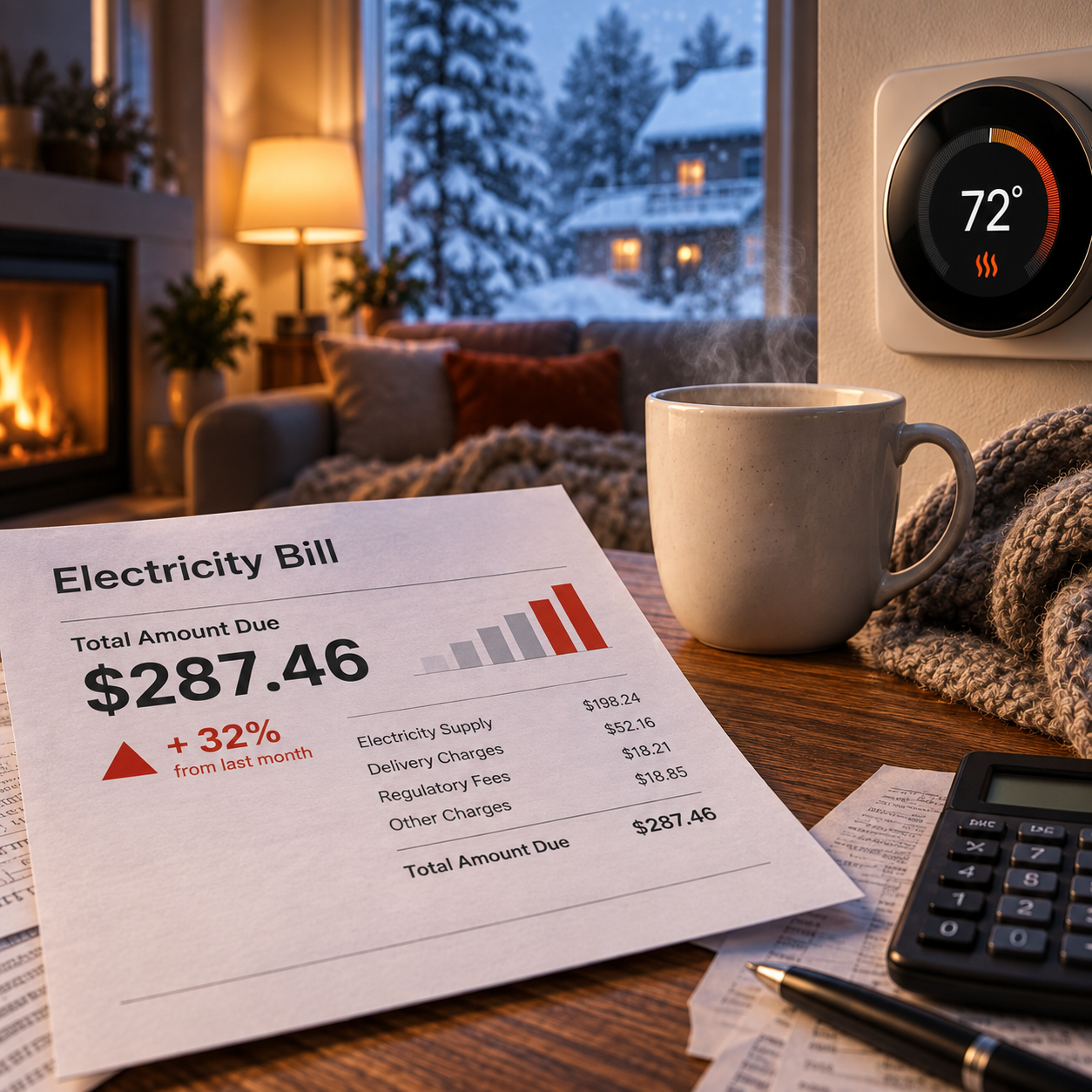
The temperature outside is dropping.
You turn up the heat, settle onto the sofa, and finally get comfortable.
Then the thought hits you.
What is this going to do to the electric bill?
So you reach for the thermostat.
Down a degree.
Maybe another.
Before long, you're sitting in your own living room wearing a sweater, wondering why staying warm in your own home has started to feel like a luxury.
And that's the frustrating part.
You're already paying more for electricity than you want to… yet somehow getting less comfort in return.
Every winter, homeowners hear the same advice.
Turn the heat down. Use the dryer less. Switch off more lights. Unplug appliances. Use less electricity.
And yes, some of that makes sense.
But there's a limit.
Your refrigerator still needs to run. Your family still needs hot food. Your clothes still need washing.
And when winter really kicks in, keeping your house warm isn't exactly optional.
At some point, saving money starts meaning one thing:
Making your own home less comfortable.
That's what makes a small plug-in device called WattSaver so interesting.
Because it's built around a completely different idea.
Instead of constantly asking: "What else can I turn off?", It asks a different question:
"What if the electricity you're already using could be managed more efficiently?"
And with WattSaver's reported testing involving more than 600 homes and savings figures reaching as high as 47%, there's a compelling reason to take a closer look.
But how could something small enough to fit in your hand possibly make a difference to your electricity bill?
The Old Way Was Always About Sacrifice
For years, the answer to an expensive electricity bill has been essentially the same.
Use less.
Less heating.
Less air conditioning.
Less dryer.
Less convenience.
Less comfort.
In other words:
Pay more every year… and somehow use less of what you're paying for.
That's the old solution.
WattSaver was created around a different approach.
Instead of asking you to make another sacrifice, it's designed to help manage the electrical flow within your home.
No replacing your appliances.
No expensive renovations.
And no complicated daily routine to follow.
Just a small device that plugs into an ordinary wall outlet and is designed to work quietly in the background.
And to understand why this approach is different, it helps to look at something happening inside your home every day.
The Part Of Your Electric Bill Most People Never Think About
Think about everything drawing electricity inside your home.
Your refrigerator. Television. Washing machine. Heating equipment. Even the phone charger plugged in beside your bed.
All these devices are constantly switching on and off, changing how much power they draw throughout the day.
You may have even noticed your lights briefly dim when a large appliance kicks on.
That's because the electrical load in your home is constantly changing.
And it's this changing demand that the small plug-in device is designed to address.
Rather than asking you to stop using the appliances you rely on, WattSaver uses internal electrical components designed to help stabilize current and manage electrical flow.
The idea is simple: instead of constantly looking for things to switch off, look at whether the electricity you're already using could be managed more efficiently.
That's what makes this approach different from the usual advice homeowners hear every winter.
And it's why a device this small has attracted attention from people looking for a simpler way to manage their household energy costs.
How WattSaver Is Designed To Work
WattSaver is designed to work with your home's electrical circuit rather than directly control the individual appliances connected to it.
Inside the compact device are electrical components intended to help manage certain characteristics of the electrical current flowing through the connected circuit.
The approach is often described as power optimization.
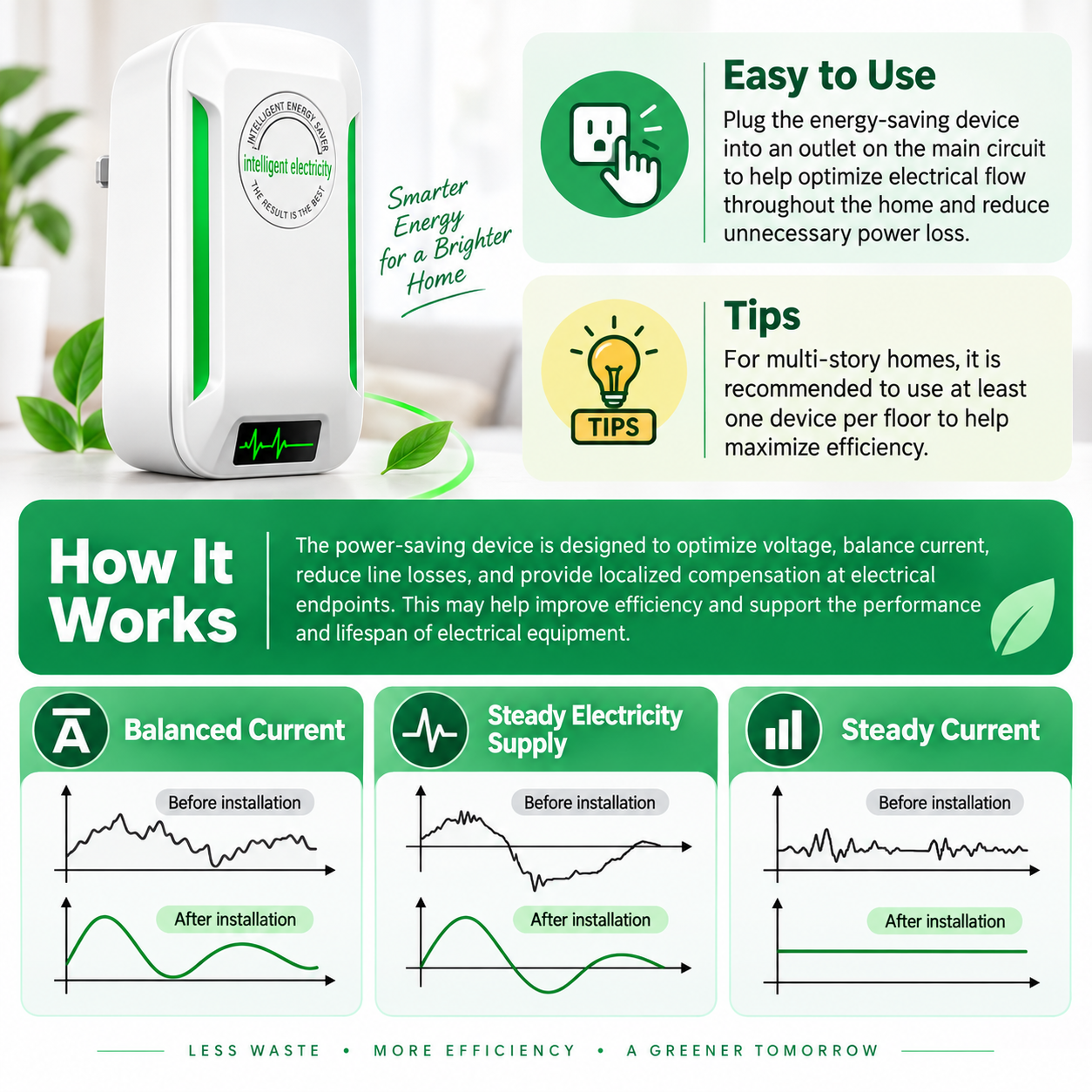
Some electrical loads, particularly those involving motors, draw power in ways that involve both active and reactive power.
Capacitors can compensate for some reactive power under appropriate conditions, which may reduce current and associated losses in certain electrical systems.
WattSaver is designed around the idea of managing these electrical characteristics without requiring homeowners to change their normal routines.
There is, however, an important distinction between improving electrical conditions and reducing the active energy recorded by a residential electricity meter.
The two do not always produce the same result.
That's why the device's advertised savings should be evaluated against actual household electricity consumption rather than changes in electrical current alone.
Tested In Hundreds Of Homes — With Reported Savings Reaching 47%
At first glance, the idea almost sounds too simple.
A small device.
One wall outlet.
No major installation.
And the possibility of reducing a recurring household expense.
But the reported testing figures are what make the product particularly interesting.
WattSaver's promotional materials describe a 90-day evaluation involving more than 600 U.S. homes, with electricity savings figures reaching as high as 47%.
Those are advertiser-reported figures; the underlying independent test data has not been established here.
And while a result approaching 47% would understandably get any homeowner's attention, different homes have different electrical systems, appliances and patterns of consumption.
A large family home in winter is not the same as a small apartment.
An electrically heated house is not the same as one that relies primarily on natural gas.
So what matters most isn't simply the largest advertised percentage.
It's whether the device can produce measurable savings under the conditions in your own home.
And fortunately, that's something homeowners can evaluate through the electricity consumption recorded on their utility bills.
Plug It In. Leave It There. Keep Living Normally.
One of WattSaver's biggest attractions is how simple it is to install.
There's no contractor.
No expensive electrical work.
No replacing your heating system.
And no complicated settings to configure.
The device is designed to plug into an ordinary wall outlet, where it can remain connected while your household goes about its normal routine.
You don't need to remember to switch it on every morning.
You don't need to adjust it whenever someone uses the washing machine.
And you don't need to reorganize your day around another piece of equipment.
Plug it in.
Leave it connected.
And let the device operate in the background.
For homeowners who have spent years hearing that reducing energy costs requires expensive equipment or constant sacrifices, the simplicity is a significant part of the appeal.
Imagine Getting Through Winter Without Constantly Watching The Thermostat

Let's be honest.
This isn't really about electrical terminology.
It's about what winter feels like when you're worried about money.
It's about looking at the thermostat and thinking:
"Can we afford to leave it here?"
It's about telling yourself you'll just put on another layer.
Delaying the dryer.
Second-guessing the heating.
Watching the electric bill like it's going to ruin your week.
That's why the idea of reducing household electricity costs without changing your daily routine is so appealing.
Because the outcome people really want isn't a new gadget.
It's being able to enjoy a warm, comfortable home without feeling anxious about what the next electricity bill might bring.
Imagine a freezing evening outside.
Your house is warm.
You're comfortable.
Your family is comfortable.
And instead of spending the evening calculating what another hour of heating might cost, you simply enjoy being home.
That's the kind of financial relief homeowners are hoping to achieve when they look for ways to reduce recurring energy expenses.
And if WattSaver can deliver measurable savings in a particular home, that's where the benefit would matter most.
Not in an electrical diagram.
But in the household budget.
Even A Small Reduction Can Add Up Faster Than You Think
Electricity isn't a one-time expense.
The bill arrives next month.
And the month after that.
And again the month after that.
That's why recurring savings can become meaningful over time.
Saving $40 per month, meaning saving $480 annually.
An extra few hundred dollars a year could mean more breathing room for groceries, household expenses or simply enjoying time with your family.
And as winter approaches, that additional flexibility can feel especially valuable.
Because once you've paid an unnecessarily high bill, that money is gone.
The attraction of an energy-saving product is the possibility of reducing an expense that keeps coming back.
But the financial value ultimately depends on whether the device produces a real reduction in the electricity you're billed for.
Is WattSaver Worth Trying In Your Home?
WattSaver offers a straightforward proposition.
A compact device.
A simple plug-in setup.
An approach focused on electrical flow rather than constantly asking you to reduce consumption.
And reported testing results that make the product worth investigating more closely.
The important thing is to understand what the device can demonstrate under ordinary residential conditions.
If you're considering buying one, review the product's available testing, electrical safety information, current price and return terms.
Your utility bill can also help you compare electricity consumption over time, although differences in weather, heating demand and electricity rates need to be taken into account.
That way, you're evaluating the result that actually matters to your household.
Not simply whether the device operates — but whether it reduces the electricity you're paying for.
Before The Coldest Part Of Winter Arrives, Take A Closer Look
You can keep doing what you've always done.
Turn the heat down.
Put on another sweater.
Remind everyone to switch the lights off.
Use the dryer less.
Watch the thermostat.
Open the next bill.
And repeat.
Those habits can help conserve electricity.
But if you're tired of being told that the only way to manage your energy costs is to keep making your home less comfortable, WattSaver offers another approach to explore.
It's compact.
It's simple to install.
And it's designed to work with your home's electrical circuit without requiring you to replace your appliances or change your daily routine.
With reported testing involving hundreds of homes, it's understandable that homeowners would want to examine the results and see whether the device could offer a measurable benefit in their own homes.
Before winter arrives, take a closer look at WattSaver, review the available evidence and see whether the current offer makes sense for your household.
See How WattSaver Works
Explore the device, review the current pricing and purchase terms, and decide whether you'd like to try it in your home.
Marta Visser
Consumer editor
Marta has covered retail pricing and consumer rights for nine years and runs our basket-tracking tests.
One email a week. Every deal, checked.
No spam, no filler. Just the prices, recalls and stories that affect your week.