Mister Rogers’ Youngest Son Has Died at 65 — Years Ago, He Admitted Why Living Up to His Dad Was So Hard
As boys, John Rogers and his brother called the gentle man on TV “other daddy.” In a 2018 documentary, John finally said what growing up in that shadow really felt like.
25 November 2026 · 5 min read
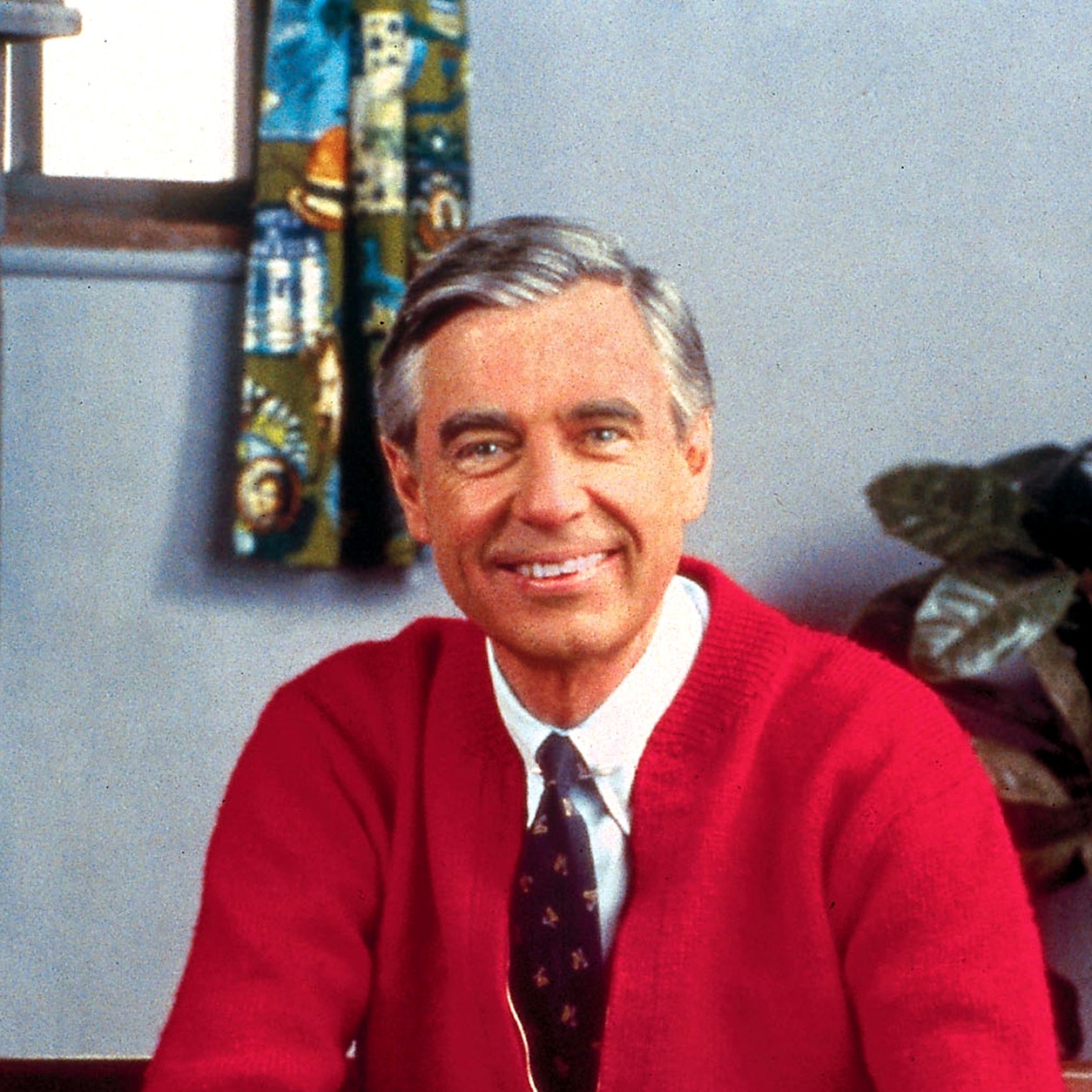
Last year, on a stage in Pittsburgh, a man who almost never spoke in public stepped up to accept a star that wasn’t his.
“How many people have said ‘It’s a beautiful day in the neighborhood?’” John Rogers asked the crowd at the first-ever Pittsburgh Walk of Fame ceremony. “What an honor this is, firstly for my dad.”
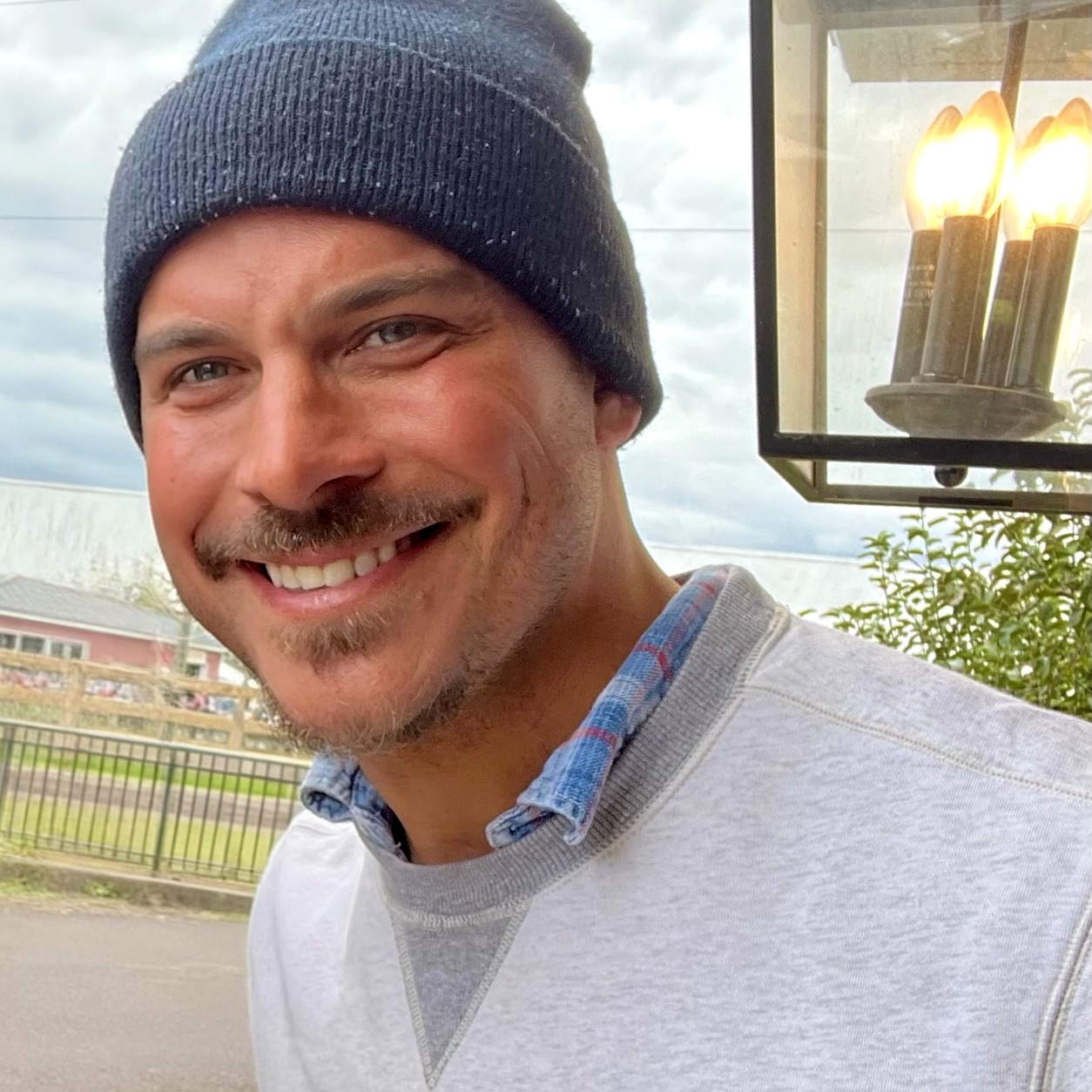
On Tuesday, the Rogers family confirmed that John — the youngest son of Fred Rogers, the cardigan-wearing minister who spent more than three decades as America’s gentlest television neighbor — has died. He was 65. A family spokesperson confirmed the death to TMZ, which first reported it, and to USA TODAY, but shared no cause and no further details.
For most of his life, John stayed far from the spotlight his father lit up. But on the rare occasions he did talk, he said things about growing up with Mister Rogers that most of the millions who adored the man on TV never heard — including one blunt sentence, spoken on camera, about what it really cost a little boy to have that man for a dad.
The Boy Who Was “a Little Hyper”
John was born in 1961, two years after his brother, James. By the time he was in grade school, his father had turned a cheap Pittsburgh set, a handful of puppets and a toy trolley into “Mister Rogers’ Neighborhood,” which ran on public television from 1968 to 2001. Both boys turned up on the show a handful of times as children.
He never pretended he was the calm kid his father seemed to be talking to. At last year’s Walk of Fame ceremony, he admitted he had been one of the restless ones himself.
“I heard countless times from families that had children that were a little on the fast side, like myself — a little hyper,” he said, according to USA TODAY. “The parents would thank Dad, saying, ‘Boy, this is great. You give us a half-hour off every so often.’”
Then the joke gave way to something softer. “Dad is truly still in my heart,” he said. “It’s hard to believe he’s been gone since 2003, but his memory and his work live on beyond belief.”
“Other Daddy”
Even inside the Rogers house, the boys saw two versions of their father. As small children, John and James had a name for the gentle figure they watched on screen, the Los Angeles Times reported in 2018: “other daddy.”
By middle school, other kids had noticed too. The boys were teased about how moral their father seemed — and in Morgan Neville’s documentary “Won’t You Be My Neighbor?,” John finally said out loud what that had felt like.
“It was difficult,” he said in the film, “to have the second Christ as your dad.”
It is a startling line to hear about a man best known for telling children they were special just the way they were. But John was not attacking his father. He was describing the weight of him.
“Dad’s morals were just beyond most people,” he told the Times. “The way he led his life, I believe dad tried to follow the example of Christ — and did in such a fabulous way. So living up to a legend such as he was challenging for me growing up. I had my issues with that.”
What Happened in the Basement
The issues were real, and the family never fully hid them. According to the biography “The Good Neighbor: The Life and Work of Fred Rogers,” as recounted by TMZ, John and James grew marijuana in their parents’ basement in the 1970s. Their mother, Joanne, found the plants. Their father destroyed them.
James had his own very public rough patch. In 1978, People magazine reported that the 18-year-old college freshman had stopped writing home and returning his parents’ calls. “He’s flown the coop,” Fred sighed in that article.
Decades later, John said the peace came slowly — and that it came from the very lesson his father had been broadcasting to everyone else’s children.
“At about age 30, I sort of came to peace with it,” he told the Times. “I was like, ‘You know what? I’m happy with myself.’ And what did dad always teach us? ‘Be happy with the way you are.’”
Around that same age, he moved to Florida, and he was still living there more than three decades later. Pittsburgh still pulled him back. “It’s a lot of Mister Rogers-type people that live here that really are caring and wonderful, loving people,” he said last year, according to E! News.
“He Wasn’t Acting”
Whatever he had wrestled with as a boy, the grown son became one of his father’s fiercest defenders — especially against the idea that the gentle man on TV was a performance.
“What you see in Mister Rogers was himself,” he told Fox News in 2019. “He wasn’t acting; he was just trying to love us through our lives.” Asked what it was like to be raised by America’s neighbor, he joked: “Of course, I had no other father to compare to.” Then he added, “Dad was very loving, very kind, very forgiving. Everybody knew that about him.”
When Tom Hanks was cast to play Fred in “A Beautiful Day in the Neighborhood,” John was thrilled — partly because, he told the Times, his father had watched “Forrest Gump” “probably a hundred times.” His verdict on the casting: “in baseball terms, well, that’s a grand slam, home run.”
He stood with his mother and brother in 2018 when the Postal Service unveiled a Mister Rogers stamp at the WQED studio where the show was made. Fred had died of stomach cancer in 2003, at 74. Joanne, his wife of more than 50 years, died in 2021 at 92.
Why His Father Never Fades
Talking to Pittsburgh’s KDKA Radio last year about the shelf-life of fame, John was asked why his father, unlike so many TV stars, never seems to be forgotten.
“His doesn’t seem to go away, it just continues,” he said. “I think it’s the message mainly that we are all pretty much kind and wonderful people.”
Then he added a small, honest caveat. “I mean, there are bad apples in the world, but I think most of us are.”
It took John Rogers about 30 years to believe the lesson his father taught everyone else’s children in a single half-hour. He spent the rest of his life making sure the world didn’t forget it.
Marta Visser
Consumer editor
Marta has covered retail pricing and consumer rights for nine years and runs our basket-tracking tests.
One email a week. Every deal, checked.
No spam, no filler. Just the prices, recalls and stories that affect your week.