Feds Quietly Demanded the Names Behind Anonymous Anti-ICE Posts, a Lawsuit Says — Then the Court Papers Revealed What They Wrote
At least 35 secret grand jury subpoenas, records routed to ICE agents and a retired prosecutor among the targets. The ACLU calls it a crackdown on dissent. ICE’s defenders point to the words themselves.
28 November 2026 · 5 min read
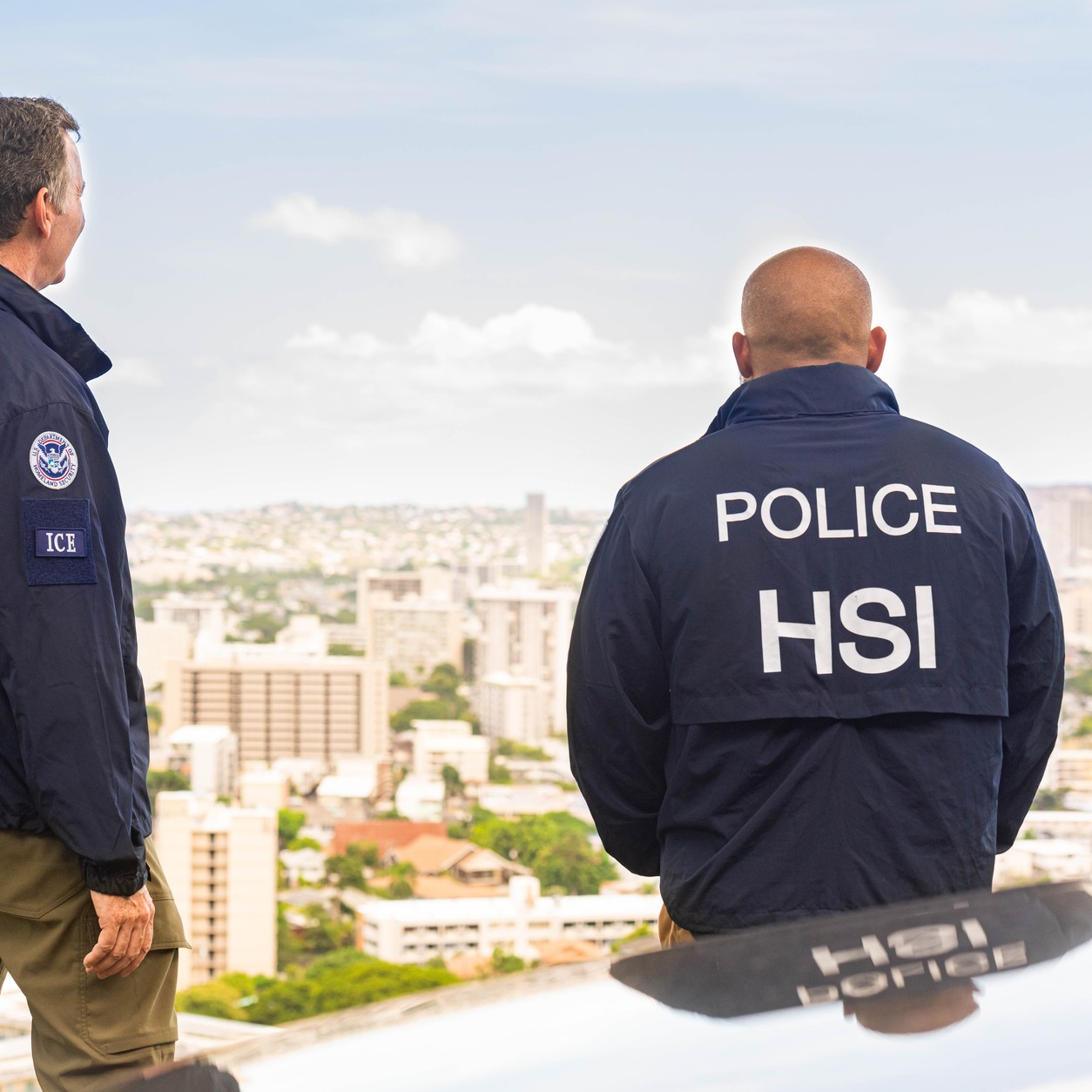
On October 27, an email from Bluesky landed in a user’s inbox saying law enforcement had asked for information about their account. The user’s first thought: this has to be a scam. A week later a second email made it real: a federal grand jury subpoena, investigation number 18, requested by Homeland Security Investigations. In the box marked “case category,” the requesting agency had typed one word — “Violence.”
That user is one of four anonymous social media posters now suing the Trump administration in a class action made public on Friday. Their lawyers at the American Civil Liberties Union say the subpoenas are part of a sweeping, secret effort to strip the masks off people who criticize Immigration and Customs Enforcement online, and to hand their names to ICE itself. The government has not yet said a word in court. But the posts that put these four in its sights are now part of the public record — and they are not what most people picture when they hear the words “free speech.”
A Number, Not a Crime
The case was filed under seal in Washington on November 16. Chief U.S. District Judge James Boasberg ordered it unsealed on Wednesday, and redacted versions hit the public docket two days later. It names Attorney General Todd Blanche, Homeland Security Secretary Markwayne Mullin and U.S. Attorney for the District of Columbia Jeanine Pirro as defendants.
According to the complaint, Pirro’s office has used the label “Investigation 18,” and at least 35 grand jury subpoenas have gone out under it to Meta, X and Bluesky. The ACLU says the true number is likely far higher. Each demands the records that turn a screen name into a person: names, home and email addresses, phone numbers, device identifiers, IP addresses and payment details, down to credit card and bank account numbers. None of the four plaintiffs’ subpoenas names a crime, the complaint says, and some platforms have already handed information over.
“The government is weaponizing the grand jury process to retaliate against people for expressing their political views online,” said Laura Moraff, a staff attorney with the ACLU’s Speech, Privacy, and Technology Project. “The First Amendment guarantees our right to criticize the government, including anonymously, and no one should fear being investigated for disagreeing with the president.”
The lawsuit paints the grand jury route as plan B. In late 2025 and early 2026, the ACLU says, DHS sent hundreds of administrative subpoenas to tech companies seeking information on anonymous ICE critics, and usually withdrew them when users fought back in court. In two cases the complaint describes, a grand jury subpoena for the same account followed. Grand jury work is secret and, the ACLU says, “generally more difficult to challenge.”
What They Actually Wrote
Here is where the case gets uncomfortable for both sides.
One plaintiff, a retired prosecutor living in Arizona, watched a video in October that showed officers dragging an elderly woman across the ground in Batesville, Texas. The reply that drew a subpoena reads: “Fact: more than once in my childhood I wanted to ‘kill’ my brother and sister for annoying me (Mom, he’s touching me). Now, as a senior citizen who pays attention, I want to kill ICE, the whole damn lot of them because of how they ‘touch’ humans, as seen in this video.”
Another, a retired American living in Europe, commented on a photo of an ICE officer with a baton outside the Delaney Hall detention center in Newark: “Looks like a rabid dog foaming at the mouth. Should be put down,” followed by a water gun emoji. The Bluesky user who thought the subpoena was a scam had replied to a post about an ICE-related shooting in New York: “Burn ICE to the ground. Burn DHS to the ground. Salt the earth.” The fourth plaintiff, a college student, aimed an expletive at DHS, ICE and President Trump, the Associated Press reported.
The ACLU calls all of it constitutionally protected political speech. The complaint says the retired prosecutor does not advocate or condone violence, blocks accounts that do, and knows what threats feel like, having received them over decisions made as a prosecutor.
The Case for Investigating
To ICE’s defenders, those words are exactly why someone should be asking questions. The First Amendment protects harsh and even ugly criticism of the government, but not true threats of violence, Fox News noted, and federal prosecutors do not need probable cause before issuing a grand jury subpoena in a legitimate criminal investigation.
They also point to the danger officers face. DHS says there were 647 assaults on ICE personnel from January 20, 2025, to September 20, 2026, compared with 37 over the same stretch under the Biden administration, an increase of 1,649%. “The brave men and women of ICE, who are simply enforcing the laws mandated by Congress and protecting the American people, are under attack every single day,” Mullin said in September, blaming “the vicious lies being spread by sanctuary politicians and their foot soldiers.”
Spokespeople for DHS and Pirro’s office did not immediately respond to AP’s requests for comment on the lawsuit, and the government has not explained in court why it sought any of the four accounts.
Where the Names Go
The detail that alarms the plaintiffs’ lawyers most is not the subpoenas themselves. It is the address on them. The complaint says the records are often sent to an ICE office rather than to prosecutors or the grand jury, and for three of the four plaintiffs a Homeland Security Investigations special agent was named as the recipient. The attorney who requested several subpoenas, it says, is on loan to the U.S. Attorney’s Office from DHS’s own legal office.
The plaintiffs fear their names will end up on a list. Their lawyers point to border czar Tom Homan telling Fox News in January that people arrested for interfering with ICE would be put in a database — “we’re going to make them famous” — though he also said protesters “have that right.” DHS has told NPR there is “NO database of ‘domestic terrorists’ run by DHS.” The complaint cites a USA Today records request that it says uncovered an ICE “Agitator Log.”
“Using grand jury subpoenas to unmask and intimidate critics of ICE is an alarming abuse of power,” said Laura Follansbee of the ACLU of DC. All four plaintiffs say they have been censoring themselves since the emails arrived.
Three Dates
The clock is short. Bluesky is due to turn over one plaintiff’s information on December 11 unless a court steps in, according to the complaint. The government’s written answer is due December 14, and Boasberg will hear arguments on January 6.
Somewhere, the Bluesky user who once mistook all of this for a scam is waiting to find out whether a screen name is about to become a name.
Where is the line between angry speech and a threat, and should the government have to show a judge a crime before it can unmask someone online? What are your thoughts? Share them in the comments.
Marta Visser
Consumer editor
Marta has covered retail pricing and consumer rights for nine years and runs our basket-tracking tests.
One email a week. Every deal, checked.
No spam, no filler. Just the prices, recalls and stories that affect your week.