For Years, These Takata Airbags Were the ‘Safer’ Kind — Now Honda Is Pulling Them From 810,000 Cars
Civics, CR-Vs, Accords and two Acuras are on the list, and whether yours counts may depend on where it lived years ago. The repair is free — but the timing has a catch.
28 November 2026 · 5 min read
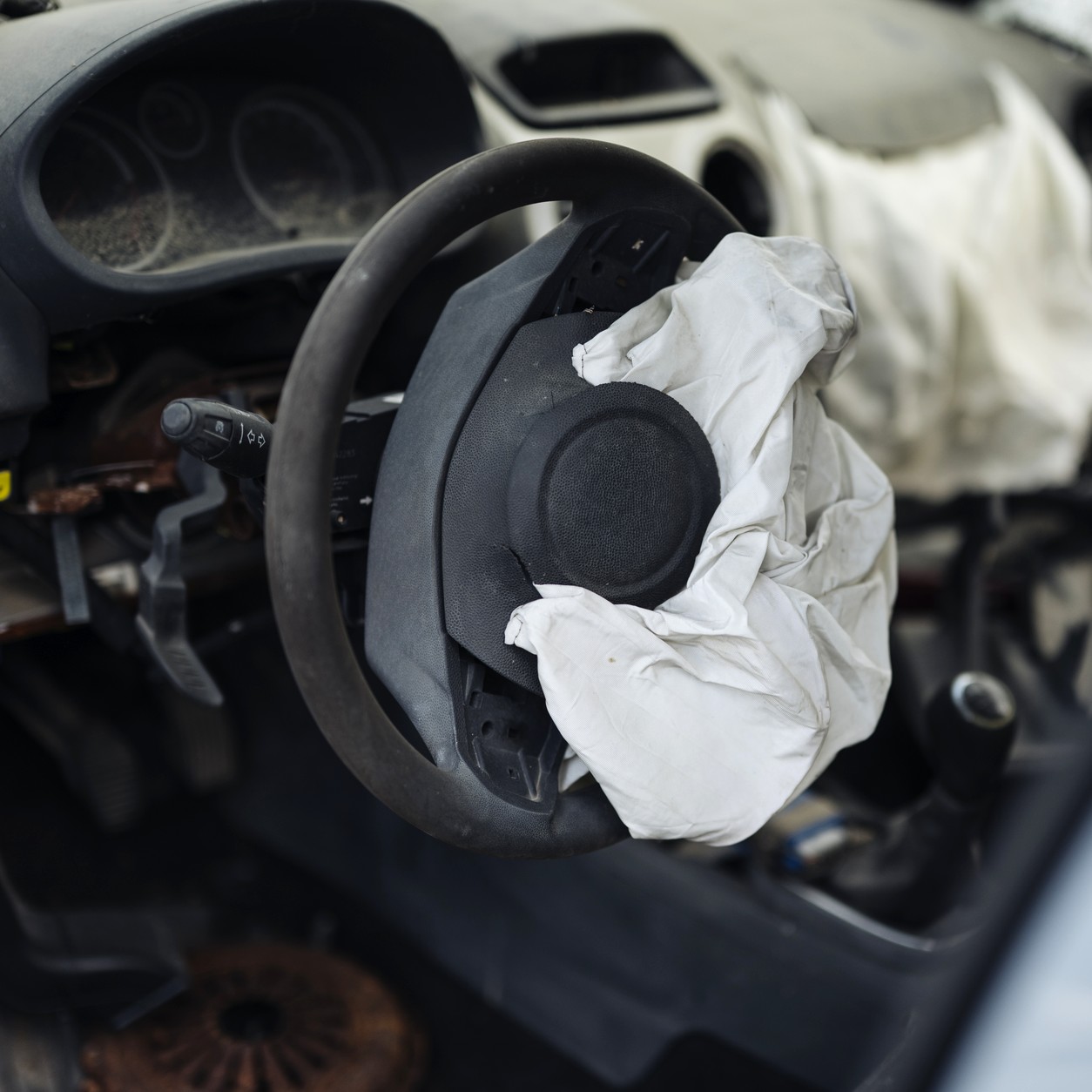
Tucked behind the badge in the steering wheel of a 2012 Honda Civic is a small metal canister. It holds a charge of propellant built to burn in a fraction of a second and fill the airbag before your head gets there. Packed in beside that propellant is something the Takata inflators that killed people never had: a drying agent, put there to keep moisture out.
For more than a decade, that drying agent was the reason these airbags were considered the safer kind. Last week, Honda told federal regulators it may not be enough.
On Nov. 19, American Honda filed a recall with the National Highway Traffic Safety Administration covering 810,592 cars and SUVs fitted with Takata front airbag inflators that contain a moisture-absorbing desiccant — a type earlier Takata recalls left alone. Honda says none of them has ruptured and no one has been hurt. So why pull them now? The answer is buried in a date Honda gave the government six years ago.
The Airbags That Got a Pass
The Takata recall is the largest auto recall in American history. Defective Takata inflators have killed at least 28 people in the United States and injured more than 400 since 2009, Reuters reported, and about 67 million vehicles have been recalled here. At least 20 of those deaths happened in Hondas.
Every one of those deaths involved an inflator without a drying agent. That is why, in May 2020, NHTSA declined to order a recall of roughly 56 million newer Takata inflators that did carry a desiccant. The agency said they posed no imminent safety risk and that it would keep watching how they aged, the Associated Press reported at the time.
Now Honda has moved part of that group to the other side of the line. The recall covers 413,125 Civics from 2012 and 2013, 197,045 CR-Vs from the same years, 165,225 Accords from 2013, plus 20,554 Acura RDXs and 14,643 Acura ILXs, both from 2013.
The Deadline Honda Set Itself
Honda’s filing spells out what the drying agent was up against. The inflators use an ammonium nitrate propellant called 2004L, paired with a desiccant called 13X. Over time, the company wrote, “exposure to high absolute humidity and repeated temperature cycling may cause the PSAN-based propellant to degrade, increasing its porosity and causing embrittlement.” When the airbag fires, brittle propellant can shatter, burn too fast and build more pressure than the housing can hold. NHTSA’s description of what happens next is blunt: “sharp metal fragments striking the driver or other occupants resulting in serious injury or death.”
Then comes the timeline. In June 2020, Honda handed NHTSA its final analysis of these inflators. No degradation had been found in parts pulled from the road, and the statistics “indicated that degradation would not sufficiently progress to create a risk of inflator rupture before 2027, at the earliest.”
It is now the end of November 2026. Honda has called the recall about six weeks before the earliest date its own model gave.
The company didn’t sit still in between. In December 2021, Honda, NHTSA and the engineering firm Exponent agreed on a plan to keep investigating. In May 2025, simulation testing under severe conditions showed signs of propellant degradation, although the inflators stayed within normal operating limits. On Nov. 19 this year, Honda concluded that a safety defect existed. As of that day, it says, it had received no warranty claims and no reports of injury or death.
The Two Words Most Owners Will Miss
There is a filter, and it is easy to misread. The recall covers only cars originally sold in, or ever registered in, places known for heat, humidity and wide temperature swings: Alabama, California, Florida, Georgia, Hawaii, Louisiana, Mississippi, South Carolina, Texas, Puerto Rico, the U.S. Virgin Islands, Guam, American Samoa and the Northern Mariana Islands.
“Ever registered” is doing a lot of work. A 2013 CR-V that spent its first years in Florida and now lives in Ohio is still on the list. And cars this old have often changed hands more than once, so a letter mailed to the name on an old registration can easily miss the person now behind the wheel.
How to Check Your Honda or Acura
- Models: 2012–2013 Honda Civic, 2012–2013 Honda CR-V, 2013 Honda Accord, 2013 Acura ILX and 2013 Acura RDX — but only if originally sold or ever registered in one of the 14 states and territories listed above.
- Check your VIN now: enter the 17-character number at recalls.honda.com or recalls.acura.com, or at nhtsa.gov/recalls, where the VINs became searchable on Nov. 22. The model year alone won’t tell you.
- Phone: Honda customer service at 1-888-234-2138, or NHTSA’s Vehicle Safety Hotline at 1-888-327-4236.
- Recall numbers: NHTSA 26V765; Honda BQK, MQJ, KQI and QQH.
- The repair: dealers will replace the driver’s or front passenger’s inflator, or both, free of charge. The new parts come from a different supplier and use a propellant that Honda says does not degrade in heat and humidity.
- Timing: interim letters are due to be mailed around Dec. 18. A second letter follows once the final remedy is available, and the recall will be phased, so some cars will be called in before others.
- No “do not drive” or “park outside” warning has been issued for this recall.
- Shopping for a used one? Run the VIN before you pay.
The Fix That Isn’t Ready Yet
That timing is the catch. The first letter owners receive in December is an interim notice warning them of the risk. Honda’s filing says further letters will be sent “once the final remedy is available,” and the company has not said when that will be. In the meantime, Honda is asking owners to take their cars to a dealer “as soon as they receive notification of this recall.”
Honda isn’t the only one. A week earlier, Toyota recalled 314,029 Toyota and Lexus vehicles in the U.S. over desiccated Takata passenger inflators — including some that had been fitted as replacement parts under an earlier recall. Toyota expects its replacement inflators to be ready by early 2027, Reuters reported. “Honda and Toyota saw early evidence of degradation risk in certain of their vehicles and are currently conducting proactive recalls of vehicles,” NHTSA said, adding that other automakers are still analyzing and testing their own inflators.
And Honda has no one to send the bill to. Its filing lists the supplier in three words: “Takata (no longer exists).”
The company that made the canister is gone. The drying agent inside it was supposed to buy time, and Honda’s own math said that time would start running out in 2027. This time, the automaker isn’t waiting for the first rupture to prove the math right.
Marta Visser
Consumer editor
Marta has covered retail pricing and consumer rights for nine years and runs our basket-tracking tests.
One email a week. Every deal, checked.
No spam, no filler. Just the prices, recalls and stories that affect your week.