BMW Already Recalled These 720,000 Cars Over a Fire Risk — Then the Ones It Fixed Started Overheating
Owners are now being told to park outside, away from buildings and other cars. There’s no repair yet — and BMW’s answer to one simple question explains why the 2024 fix doesn’t count.
13 November 2026 · 5 min read
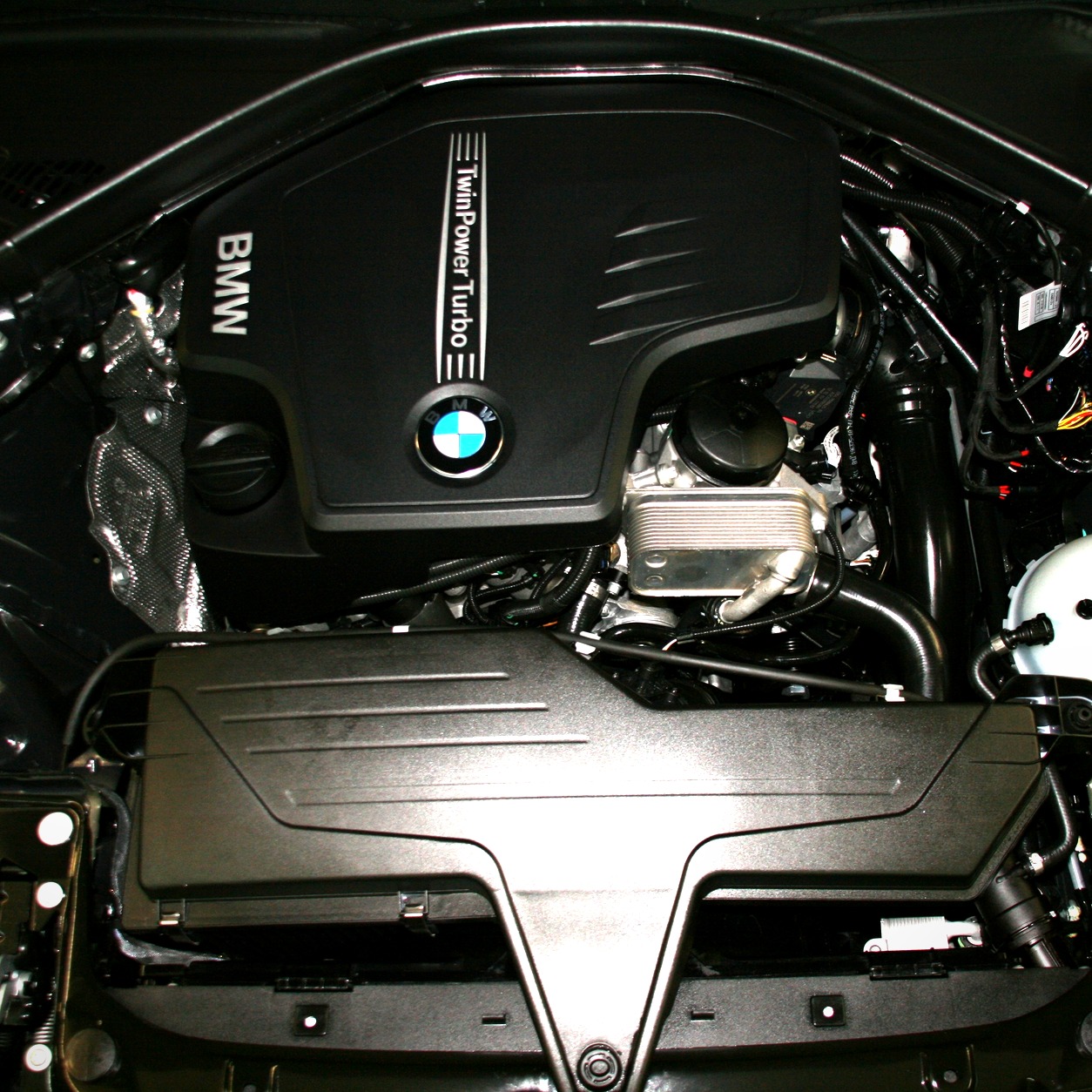
On June 24 last year, BMW got a report from somewhere in the United States about a 3 Series sedan. Something under the hood had started to smolder — right at the small plug that carries power to the engine’s electric water pump.
That plug was supposed to be safe by then. According to BMW’s own filing with federal safety regulators, the car had already been through a recall designed to stop exactly this kind of trouble.
It wasn’t the last report like it. On Friday, BMW recalled 720,796 cars and SUVs in the U.S. — the very same vehicles it recalled over the very same part in 2024 — and federal regulators told owners to do something nobody with a garage wants to hear: park outside, away from buildings and other vehicles, until a repair exists. There isn’t one yet.
The Fix That Was Supposed to End It
The investigation started with a call from Asia. On March 19, 2024, South Korea’s transport ministry contacted BMW about a “thermal event,” according to the company’s chronology filed with the National Highway Traffic Safety Administration. Engineers began collecting electric water pumps from cars around the world — some that had overheated, some that hadn’t.
Their theory was oddly specific. In rare conditions, oily “blow-by” fluid from the engine’s crankcase ventilation system could drip off an air intake hose onto the pump’s electrical connector and get past its seal. By August 2024, BMW said it knew of about 18 U.S. complaints or field cases that might be linked, and it launched a recall “in an abundance of caution.”
The repair was simple. Dealers inspected the pump and its plug, replaced parts if they were damaged, and fitted a protective shield to steer the drips away. Owner letters went out in March 2025.
By the end of September this year, BMW’s quarterly reports to NHTSA counted 291,682 of the 720,796 vehicles as remedied — a number that also includes cars inspected and found not to need the work.
Then the Repaired Cars Started Overheating
In April 2025, less than a month after those letters went out, a BMW 5 Series outside the U.S. suffered a thermal overload at the water pump connector. It had already received the fix. The early suspicion was that the repair had been done improperly.
Then came the 3 Series in June. Lab work that October still pointed toward an improper repair, the filing says.
But in early January 2026, a closer review of field reports turned up more cars that had overheated at the pump connector after getting the remedy. BMW started collecting the damaged pumps. By March, its tests had found possible leak paths around the connector — and “severe embrittlement” in the plastic it is made of, a material called polybutylene terephthalate.
In April, CT scans and microscope work found cracks. The problem, BMW now says, isn’t only fluid dripping onto the plug. It’s the plug itself.
“Over time, due to material degradation at the connector, this could allow moisture to enter the pump, and lead to the possibility of a short circuit,” the company wrote in its Nov. 4 report to NHTSA. “This could increase the risk of a thermal event and, in rare cases, a fire.”
As the enthusiast site BMWBlog put it: “A splash shield can’t do much about plastic that’s cracking underneath it.”
Why Your Garage Is the Problem
BMW decided on Oct. 28 to recall the cars a second time. It told regulators it knows of about 10 U.S. incidents that “relate, or may relate” to the defect, and Reuters reported that they happened in vehicles already repaired under the 2024 recall. The company says it has no reports of crashes or injuries, and it estimates that fewer than 0.1% of the vehicles actually have the flaw.
What makes this recall different is when the danger strikes. Reuters reported that the fire risk exists while the cars are parked and turned off. That is why NHTSA’s advice is so blunt: owners “should park your vehicle outside and away from buildings and other vehicles until the vehicle is repaired.”
BMW’s FAQ for its dealers says owners can keep driving. The worry is the hours a car spends sitting still — and where it sits.
These are some of the most common BMWs of the past decade, all built with the brand’s N20 or N26 four-cylinder engines. The filing counts 236,702 3 Series sedans, 163,728 X3s and 110,102 5 Series sedans alone.
What BMW Owners Should Do Now
Recalled vehicles (NHTSA recall 26V-733, which replaces recall 24V-608):
- 2012–2016 BMW 3 Series sedan (328i, 328xi)
- 2014–2016 BMW 3 Series Sports Wagon and 328xi Gran Turismo
- 2014–2016 BMW 2 Series Coupe (228i, 228xi) and 2015–2016 2 Series Convertible
- 2014–2016 BMW 4 Series Coupe and Convertible (428i, 428i xDrive) and 2015–2016 4 Series Gran Coupe
- 2012–2016 BMW 5 Series (528i, 528i xDrive)
- 2012–2016 BMW Z4 (sDrive28i)
- 2012–2015 BMW X1 (sDrive28i, xDrive28i)
- 2013–2017 BMW X3 (sDrive28i, xDrive28i)
- 2015–2018 BMW X4 (xDrive28i)
- 2016–2018 BMW X5 xDrive40e plug-in hybrid
What to do:
- Park outside, away from your home, garage and other vehicles, until the new repair is done.
- This applies even if your car already had the 2024 water pump repair.
- BMW is still developing the fix. It will be free at authorized BMW centers.
- Owner letters are due in December. NHTSA says VINs and license plates become searchable at NHTSA.gov/recalls starting Dec. 25.
- BMW recall line: 1-800-525-7417. NHTSA Vehicle Safety Hotline: 1-888-327-4236. Updates: bmwusa.com/recall.
- If you paid for the repair yourself before being notified, you may be eligible for reimbursement under BMW’s plan, according to the filing.
The One-Word Answer
BMW’s dealer FAQ seems to know what owners will ask first. It puts the question in their mouths, word for word, typo included: “This sound familiar. My vehicle was repaired under BMW Safety Recall 24V-608. Do I need to have it repaired again?”
The answer is one word long: “Yes.”
For the owners who answered the first recall, that means another letter, another trip to the dealer — and, until a fix exists, nights in the driveway.
Marta Visser
Consumer editor
Marta has covered retail pricing and consumer rights for nine years and runs our basket-tracking tests.
One email a week. Every deal, checked.
No spam, no filler. Just the prices, recalls and stories that affect your week.