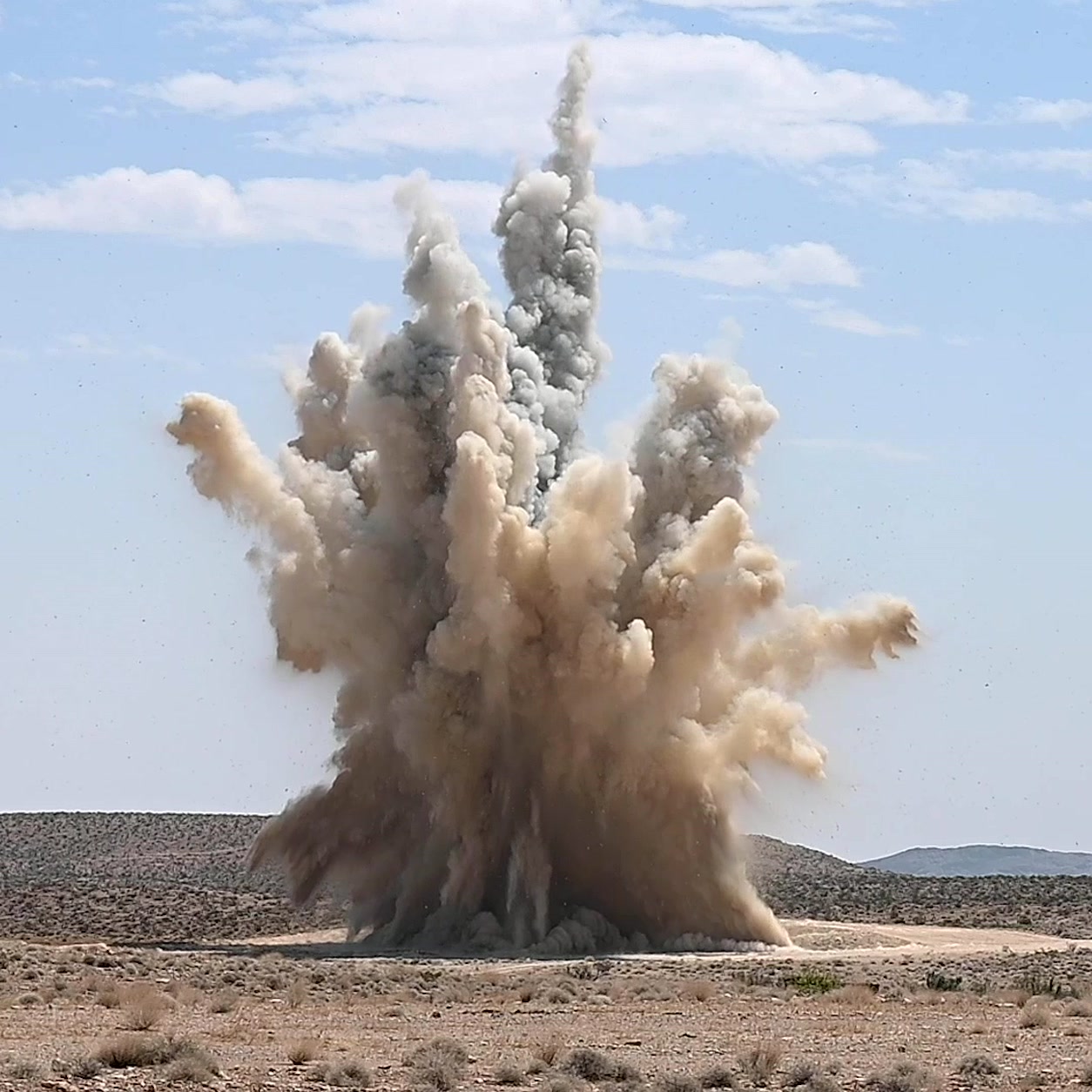
The Army Was Racing the Weather to Blow Up 5 Tons of Unstable Explosives in Iowa — Then a One-Sentence Court Order Froze Everything
A federal appeals court has paused the Middletown lead azide blast with no end date. But the Army has already warned what colder weather could do to the 68 barrels still sitting underground — and the court hasn’t said when it will rule.
20 November 2026 · 6 min read
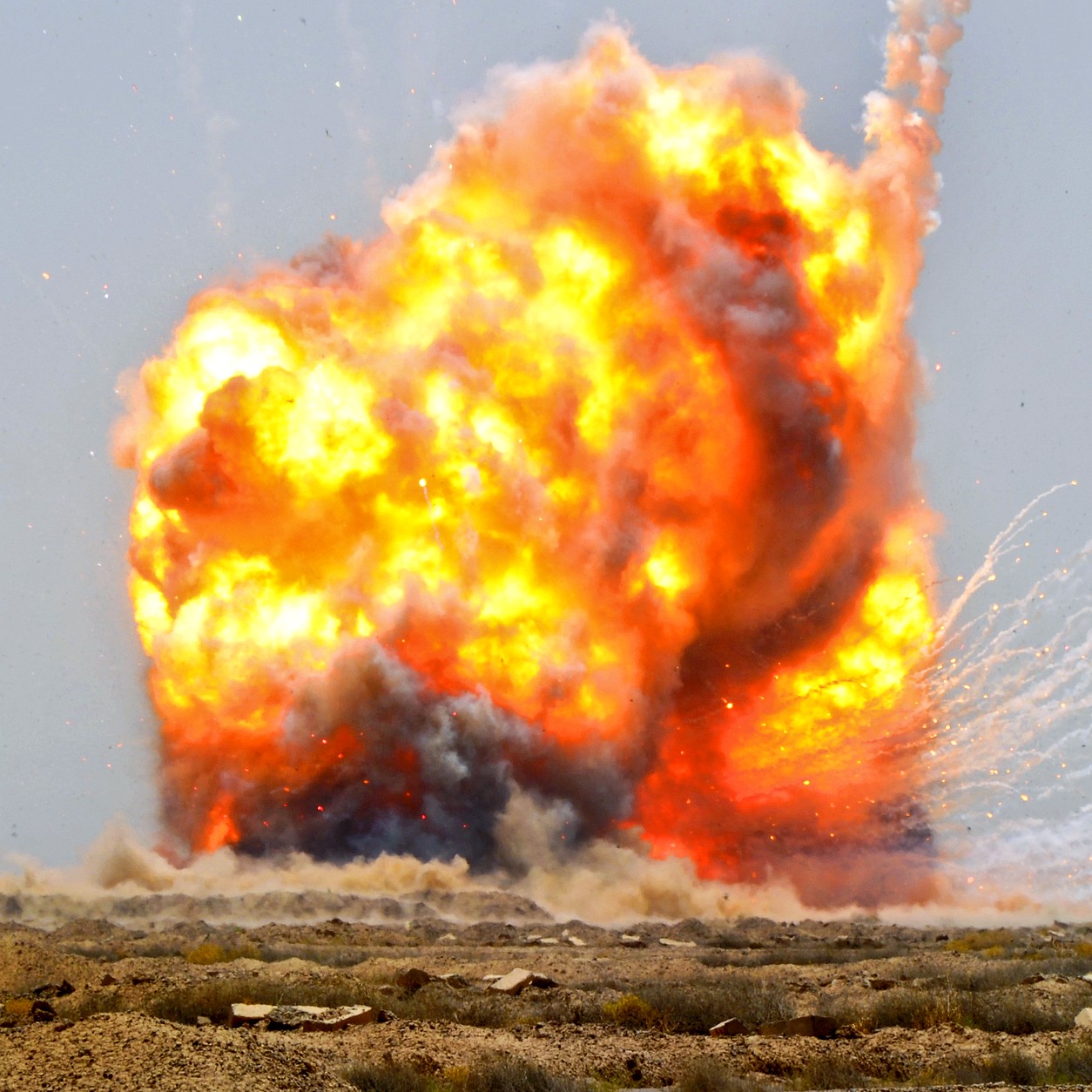
At 9:04 p.m. on Thursday, a federal appeals court in the Midwest issued an order exactly one sentence long.
It didn’t name a judge, set a hearing or say how long it would last. But it froze a plan by the U.S. Army to blow up 68 barrels of crumbling, ultra-sensitive explosive at the Iowa Army Ammunition Plant in Middletown, a town of about 360 people near the Iowa-Illinois border.
Hours earlier, the Army had pushed the blast from Friday to Monday. Now the 8th U.S. Circuit Court of Appeals has put the permit itself on hold. And the Army has warned about the danger of waiting: the clock it says it’s racing isn’t a court calendar. It’s the weather.
One Sentence That Stopped the Army
The order grants an administrative stay of the emergency permit the Environmental Protection Agency issued for the operation, “until the emergency motion for stay is ruled upon by this court.”
In plain English: the Army’s permission slip is suspended until the judges decide whether to block it for longer.
“The Army can’t detonate under the permit while the permit is stayed,” Thien Chau, an Earthjustice attorney representing the groups that sued, told the Associated Press.
The lawsuit landed only on Thursday. The Iowa Environmental Council and the Sierra Club’s Iowa chapter are challenging the EPA’s Nov. 13 emergency permit, arguing the agency never made the Army fully weigh safer disposal methods, didn’t require enough protections for nearby families and left the public too little warning. Their original motion asked the judges to rule by 10 a.m. Friday, according to the Des Moines Register — two hours before the blast was first scheduled to go off.
Stays like this are common when courts face tight deadlines, the Register notes. What makes this one so tense is what’s still sitting in those bunkers.
The Barrels Nobody Can Touch
The Army says the plant holds 68 barrels, about 9,500 pounds, of lead azide, a primary explosive used to set off bigger munitions. It sat for more than 20 years in earth-covered concrete bunkers, kept stable in ethanol and water. A routine check this year found some of that liquid had evaporated, Army Sustainment Command spokesperson Justine Barati told CBS Chicago.
What was left behind recrystallized. According to the EPA, that “has increased the material’s sensitivity to friction and shock, and disturbing the containers of lead azide could create an unacceptable risk of unintentional detonation.”
The barrels can’t be trucked away, and chemical treatment would mean workers handling all 68 drums over days or weeks, the Army’s assessment says, according to Iowa Public Radio. So the plan is to blow them up inside the bunkers, behind sand-filled barriers about two stories high, with the soil soaked and water misters running to knock down the dust.
There will still be dust, and some of it will be lead. The Army has warned of loud noise, ground vibrations, possibly broken windows and a plume that could reach up to 100 miles northeast, across the Mississippi River and possibly into northwestern Illinois.
Barati told USA Today the exposure would be “the equivalent of living in a mining town for one hour.”
“Concerned and Angry”
Plenty of people weren’t comforted. The Army laid out its plan at a Middletown meeting in October, but a public advisory on Sunday was the first time communities as far as 100 miles away learned they might be affected, the AP reported.
“The EPA itself admits that there is no safe level of lead exposure for humans,” Michael Schmidt, general counsel at the Iowa Environmental Council, said in a statement. Chau went further, saying the Army had turned “its storage management failure into a public health catastrophe for people in at least two states.”
The backlash crossed party lines. Iowa Gov. Kim Reynolds, a Republican, said she asked acting Army Secretary Adam Telle for a delay and was “grateful” he agreed. Gov.-elect Rob Sand, a Democrat, wrote that “an unacceptable lack of communication and clarity has made Iowans understandably concerned and angry.” Illinois Sens. Dick Durbin and Tammy Duckworth, Gov. JB Pritzker and Republican Reps. Darin LaHood and Mary Miller signed a letter urging a delay and safer alternatives.
Even the plaintiffs don’t claim the Army is wrong about the barrels. “It very well could be the case that the U.S. Army has no other safe alternative,” said Sarah Green, the council’s executive director. Her complaint is the rush: families need “more time,” she said, to protect “children and pregnant women.”
The Cold Front Problem
And that is the catch.
When Telle announced the move to Monday, Nov. 23, he called it “the latest possible moment prior to a forecasted temperature drop, which would risk further destabilization of the material.” Barati told NPR that lead azide “can become more volatile when it is exposed to lower temperatures,” and told USA Today that as the weather gets colder, the chance of a spontaneous detonation goes up.
The plant’s own report spells out the bind. Moving the stockpile poses “an unacceptable risk of accidental, catastrophic detonation,” it says — but leaving it in place without destroying it “presents an ongoing, escalating threat of uncontrolled explosion.”
On Friday, the Army, EPA and Department of Health and Human Services said officials had been “meticulously planning for this event since March” and were ready to take “the most extreme mitigation measures available to ensure there is no risk to the public.” The Army didn’t immediately say how the court order changes its plans, the AP reported.
The court hasn’t set a schedule or said whether there will be a hearing. The EPA says it will respond by Sunday, and Chau expects a decision before Monday — while an Iowa Environmental Council spokesperson acknowledged the judges could still rule in time for the blasts to go ahead. The full case runs much longer: the EPA has until Dec. 29 to hand over its record, and the groups until Jan. 12 to file their arguments, WHO 13 reported.
What Happens Next — and What to Do If It Goes Ahead
- No blast can happen under the EPA permit while the stay is in place.
- The EPA has said it will respond by Sunday, Nov. 22. Lawyers for the groups expect a ruling before Monday, Nov. 23, but the court hasn’t set a date.
- If the stay is lifted, the Army could proceed. Under Friday’s plan, Middletown residents were asked to leave home from 8 a.m. to 2 p.m., and plume maps will be redrawn for the new date’s weather, NPR reported.
- If you’re in the plume area when it happens, the Army’s advice is to consider avoiding the area; otherwise stay indoors with windows and doors shut and set heating or cooling to recirculate instead of pulling in outside air.
- Afterward, wet-clean outdoor and indoor surfaces: play equipment, toys, patio furniture, handrails, windowsills and cars. A medical toxicologist told the Des Moines Register that pets let outside should be washed when they come back in.
For now, the 68 barrels are exactly where they’ve been for two decades — in the dark, under the dirt, waiting on a court that hasn’t said when it will speak again, and a forecast that the Army says won’t wait at all.
Marta Visser
Consumer editor
Marta has covered retail pricing and consumer rights for nine years and runs our basket-tracking tests.
One email a week. Every deal, checked.
No spam, no filler. Just the prices, recalls and stories that affect your week.