Two ALDI Protein Pastas Are Recalled Over a Possible Botulism Risk — And the Danger Can Look and Smell Perfectly Normal
The 9-ounce tortelloni packs were sold in four Southern states, and their best-by date is still a month away. The problem may have started before they ever reached the checkout — and ALDI isn’t saying how many were sold.
18 November 2026 · 5 min read
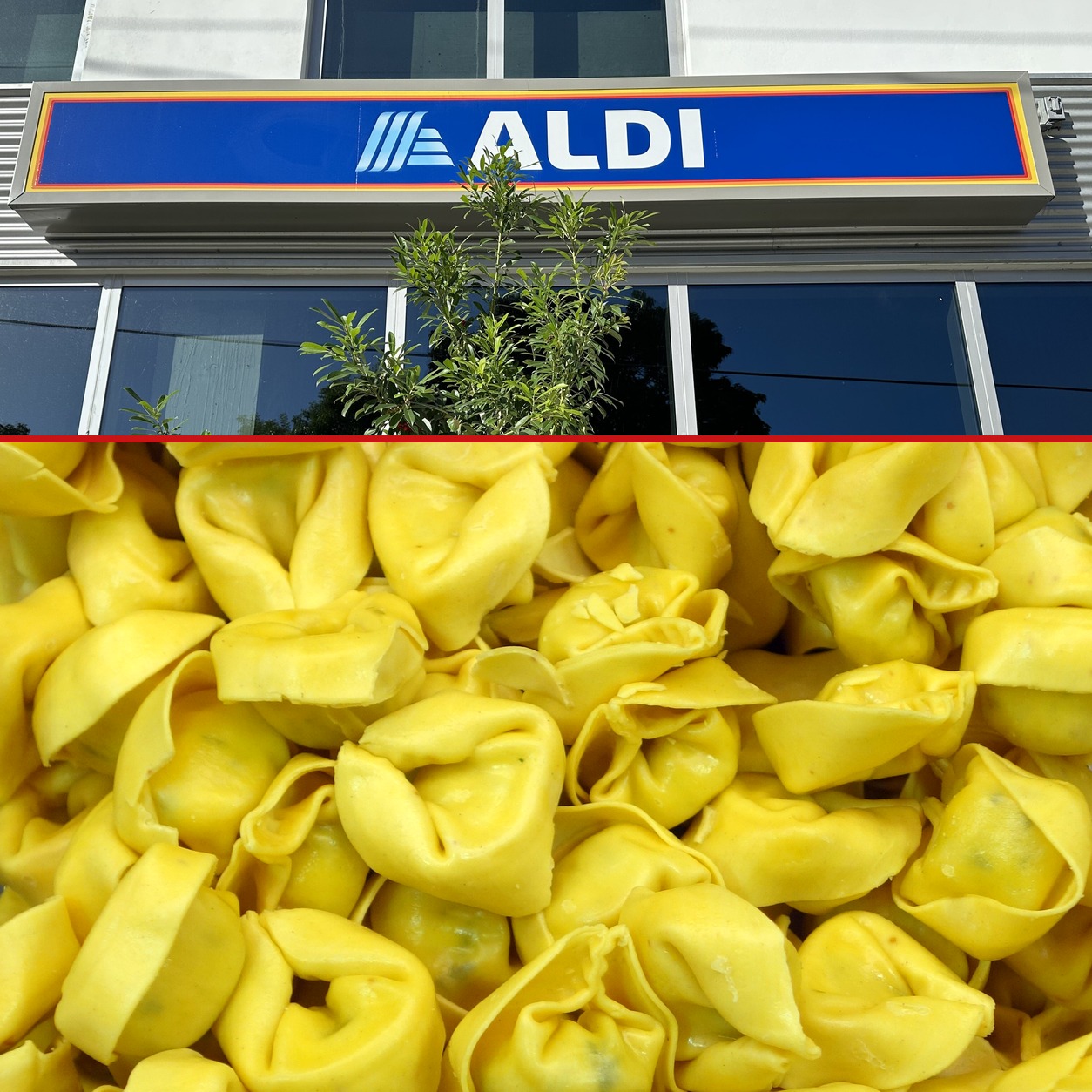
It is the kind of dinner that rescues a busy weeknight. A 9-ounce plastic pack from the refrigerated aisle, a pot of water, and minutes later little rings of filled pasta are on the table. ALDI sells them under its own Priano label, and two of its “Protein” tortelloni, Carbonara and Herb & Cheese, have found their way into kitchens across the South.
Now both are being pulled, and the reason is not one anyone expects to read on a pasta label: botulism.
ALDI, the discount grocer based in Batavia, Illinois, announced on November 16 that it is recalling Priano Protein Carbonara Tortelloni and Priano Protein Herb & Cheese Tortelloni sold at select stores in Alabama, Georgia, North Carolina and South Carolina. The U.S. Food and Drug Administration posted the notice a day later. No one has been reported sick. But the warning that came with it has one line that should make anyone with a pack in the fridge stop and look.
A Warning You Can’t Smell
Most people check food the old-fashioned way. A sniff, a glance at the color, a look at the date. ALDI’s notice says that none of that will help here. Consumers are warned “not to prepare or consume the affected products from the impacted states, even if they do not look or smell spoiled.”
That is because of what the company says the pasta may be at risk of growing. Clostridium botulinum is, in the words of the recall, “a bacterium which can cause life-threatening illness or death.” The Centers for Disease Control and Prevention describes the toxin it makes as one of the most lethal toxins known, a poison that attacks the body’s nerves and can cause difficulty breathing, muscle paralysis and even death.
The symptoms read like a list of nerve trouble. The FDA notice lists general weakness, dizziness, double vision and trouble speaking or swallowing, along with difficulty breathing, muscle weakness, abdominal distension and constipation. Early signs can also include drooping eyelids, blurred vision and slurred speech, Medical Daily reported, citing the CDC. Weakness often starts in the face and moves down the body, the outlet added, and fever is not typical, which can make the illness easy to mistake for something else.
The Problem May Have Started Before the Checkout
Here is the twist. ALDI is not saying the pasta tested positive for anything.
According to the recall, the tortelloni “may not have been stored, distributed or sold at appropriate temperatures, which may allow growth of pathogens including Clostridium botulinum.” In other words, the trouble is the cold chain. Refrigerated pasta depends on staying cold from the factory to the kitchen, as Medical Daily put it, and this lot may not have.
Medical Daily, which reviewed the FDA posting, points out that it does not say the bacterium was found in the pasta, only that improper temperatures could allow it to grow. And the CDC explains why that matters. The bacteria’s spores are found naturally in many places and usually do not make people sick, even when eaten. But under certain conditions, including low oxygen and a certain temperature range, those spores can grow and make the toxin.
ALDI said it removed the affected products from store shelves as soon as it learned of the problem. What it has not said, according to Medical Daily, is how many packages were sold or how the temperature problem happened.
Is Yours on the List? What to Do
The recall covers one lot and one date only. Here is what to look for:
- Products: Priano Protein Carbonara Tortelloni and Priano Protein Herb & Cheese Tortelloni.
- Package: 9-ounce plastic unit.
- Lot number: T9101926 (both products).
- Best if used by: 12/18/2026.
- Where sold: select ALDI stores in Alabama, Georgia, North Carolina and South Carolina, in-store and online from stores in those states.
- What to do: do not prepare or eat it, even if it looks and smells normal. Throw it away, or take it back to your local ALDI for a full refund.
- Questions: call ALDI at 844-484-0332, Monday through Friday, 9 a.m. to 5 p.m. Eastern.
- Symptoms: anyone who ate the pasta and develops weakness, dizziness, double vision, or trouble speaking, swallowing or breathing should seek medical attention immediately. The CDC calls every kind of botulism a medical emergency and says: “Do not wait.”
Medical Daily suggests wrapping or double-bagging the packs before they go into a secure trash can, so children and pets cannot reach them, and washing fridge shelves, counters and utensils that touched the pasta with hot, soapy water.
A Date That’s Still a Month Away
The detail that makes this recall easy to miss is printed right on the label. The best-if-used-by date is December 18, a full month from now. Anyone who picked up a pack for a busy week could reasonably believe it is still good, and it may be sitting in the back of a refrigerator, behind the leftovers, right now.
Foodborne botulism symptoms usually begin 18 to 36 hours after eating contaminated food, Medical Daily reported, citing Food Poisoning Bulletin, though they can come sooner or later. Doctors treat it with an antitoxin that stops the poison from doing more damage, and some patients need a breathing machine while they recover. Early treatment improves the outcome, which is why the advice is not to wait for symptoms to get worse.
Store-bought botulism is uncommon. The CDC says common sources are homemade foods that were improperly canned, preserved or fermented, though it adds that food from the store can also be contaminated. And the word has turned up on a recall notice before this year. In June, Nara Organics recalled all of its Whole Milk Organic powdered infant formula, sold at Target and online, after an outbreak of infant botulism that the CDC says put four babies in three states in the hospital. All four survived, and the outbreak was declared over in August.
One Look Before Dinner
There is a lesson in this recall that goes well beyond four states. Recall notices often fail to reach the people who need them, Medical Daily noted, because packaging gets thrown away and lot codes can no longer be checked. Families who shop for an older parent may want to look in that refrigerator, too.
For everyone else, the routine is simple and takes seconds. Keep the fridge at or below 40 degrees Fahrenheit, don’t leave perishables out for more than two hours, and check the pack before the water boils. If it says T9101926 and December 18, it doesn’t matter how fresh it looks.
This one goes in the trash, or back to the store.
Marta Visser
Consumer editor
Marta has covered retail pricing and consumer rights for nine years and runs our basket-tracking tests.
One email a week. Every deal, checked.
No spam, no filler. Just the prices, recalls and stories that affect your week.