A Chilling Iranian Threat to Burn the Gulf’s Gas Plants Just Went Viral — Then We Checked When It Was Actually Filmed
A clip of Iran’s military vowing that enemy energy sites “will burn at the first opportunity” racked up more than 800,000 views. It left out one detail — and the last time Tehran made this promise, it followed through.
15 November 2026 · 5 min read
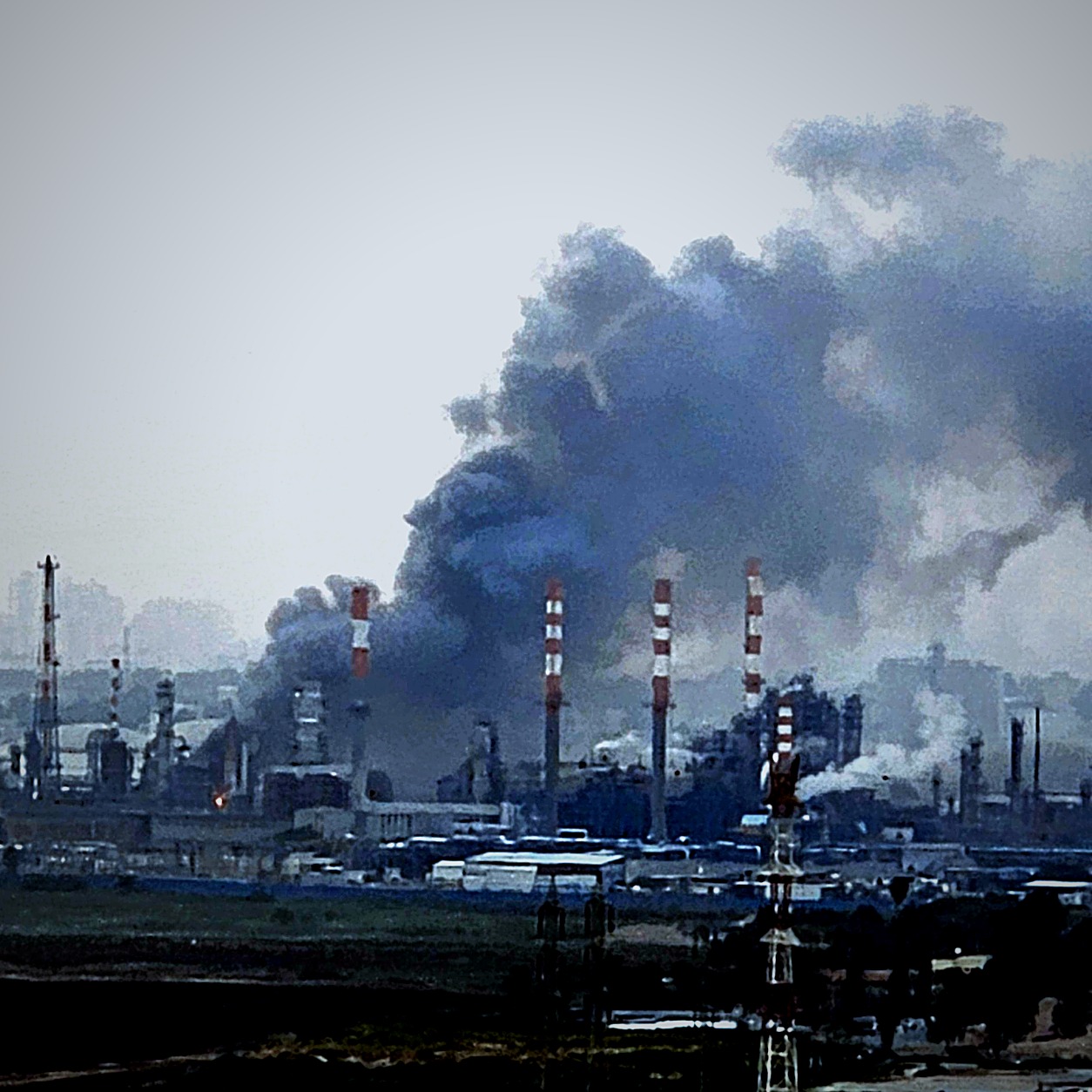
The post was stamped “BREAKING,” and the threat under it was as blunt as a threat gets. Iran’s Revolutionary Guard, the caption said, was answering attacks on “our infrastructure and energy sources in the south” — and the gas facilities of its enemies “will burn at the first opportunity.”
Then came the ultimatum: “Your era of glory is over — withdraw from the region or choose death.”
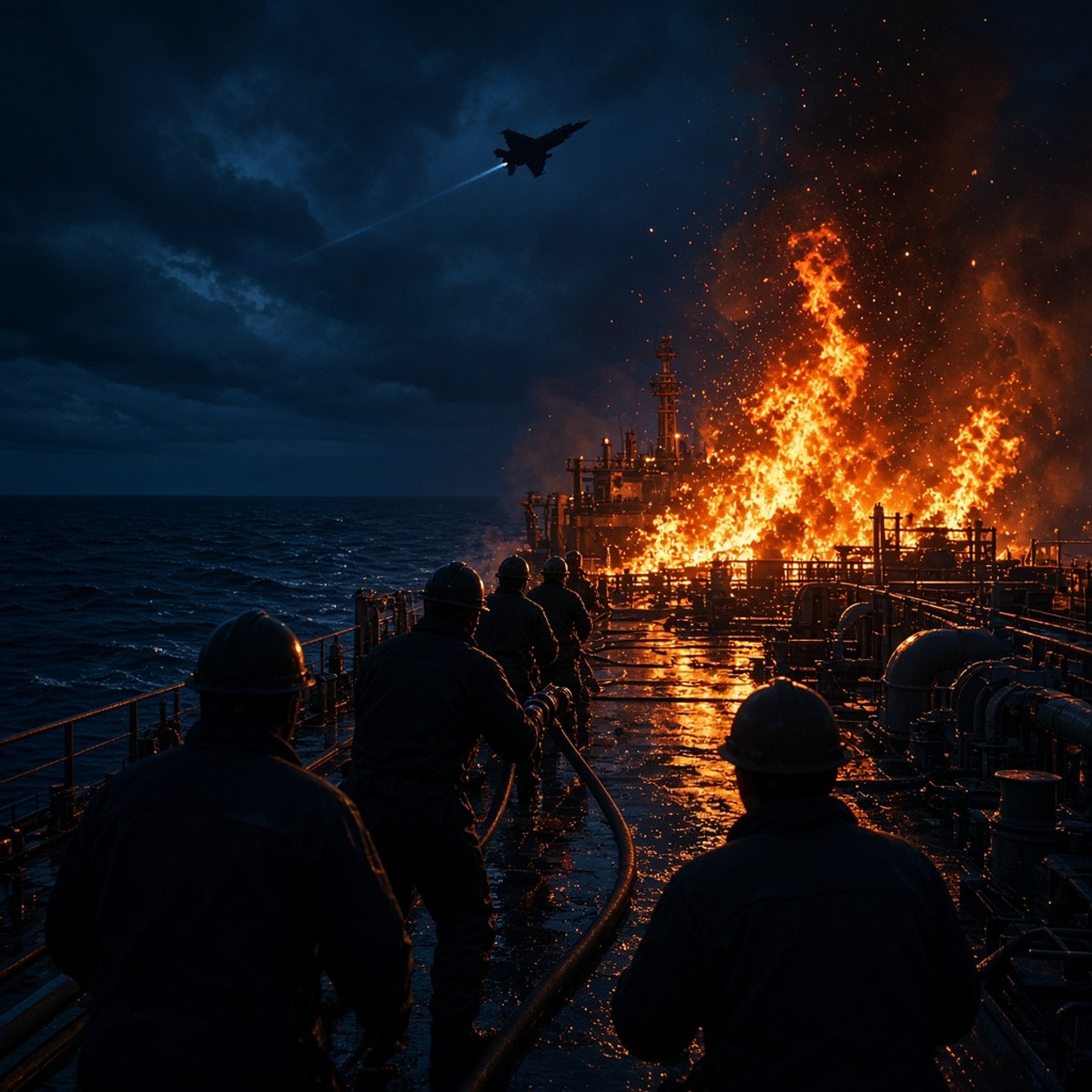
By Sunday, that single post had been viewed more than 800,000 times on X, and a string of other accounts had pushed the same clip, some rewording the ending to “face the consequences.” With tankers burning in the Strait of Hormuz and Iranian drones flying toward a US base in Bahrain, it looked like Tehran had just declared a new war on the Gulf’s energy supply.
It hadn’t. Not this week. The words are real, and so is the danger — but the date was missing from the clip, and the last time Iran made this exact promise, it was not bluffing.
The Video Everyone Shared
The timing made the post easy to believe. The day before, Iran’s official IRNA news agency had reported an “enemy” strike on Sirik, a town on the Hormuz coast that hosts part of Iran’s radar network watching the strait. Earlier that day, the Guards had claimed a retaliatory strike on a US radar in Bahrain.
But the video attached to the most-viewed post was first uploaded to X on March 18, 2026, according to the post’s own media data. Captions identical word for word were circulating that very day, and X’s own trending summary later flagged the clip as old footage.
March 18 was the day this war came for the region’s gas.
The Day the Gas Field Burned
That morning, strikes hit gas processing facilities at Asaluyeh on Iran’s southern coast, which handle gas from South Pars, the largest natural gas field in the world. Israeli media reported that Israel carried out the attack. Iranian media said it knocked out two refineries with a combined capacity of about 100 million cubic meters a day, Turkey’s Anadolu Agency reported.
Within hours, the Revolutionary Guards issued an “urgent warning” through the semi-official Tasnim news agency. It named five sites in Saudi Arabia, the United Arab Emirates and Qatar as “direct and legitimate targets” and told workers to leave: Saudi Arabia’s SAMREF refinery and Jubail petrochemical complex, the UAE’s Al Hosn gas field, and Qatar’s Ras Laffan refinery and Mesaieed petrochemical complex, Al Jazeera reported.
Then the spokesman for Khatam al-Anbiya Central Headquarters, the command running Iran’s war effort, went on state television. As translated by the state-aligned Tehran Times, he called it “a final and unequivocal warning to the criminals who have targeted parts of Iran’s fuel and energy infrastructure in the south.”
“As a direct consequence of this aggression,” he said, “the fuel, energy, and gas infrastructure belonging to the source of the attack will be set ablaze and reduced to ashes at the very first opportunity.”
That is the speech now being passed around as breaking news.
Iran Kept Its Word — and the World Paid
Tehran did not wait long. Iranian attacks hit Qatar’s Ras Laffan, home to the world’s largest liquefied natural gas facility, and Qatar reported “extensive damage.” The next day oil prices jumped 5% and European gas prices soared 35%, AFP reported.
The damage was not the kind you patch overnight. QatarEnergy chief executive Saad al-Kaabi told Reuters that two of the country’s 14 LNG production lines had been knocked out, wiping out 17% of Qatar’s export capacity for three to five years. That same day, debris from an Iranian missile barrage struck Israel’s Bazan refinery in Haifa, causing damage and a temporary power outage, Reuters and Israeli media reported.
Qatar, which shares the giant field with Iran, had condemned the South Pars strike and begged every side to stand down. “Targeting energy infrastructure constitutes a threat to global energy security,” Foreign Ministry spokesman Majed al-Ansari warned. Nobody listened.
The bill has kept coming ever since. Iran has choked traffic through the Strait of Hormuz, and Washington has answered with a naval blockade of Iranian ports. A ceasefire in April did not last; Iran closed the strait again in July after US strikes resumed.
Why This Week Still Matters
So the clip is eight months old. What it describes is not ancient history.
Early Friday, the Guards said they had hit a US radar in Bahrain “in response to the enemy’s air aggression against a telecommunications tower in Sirik,” Radio Free Europe/Radio Liberty reported. They called it a “serious warning” and said their forces were ready to respond “without geographical limits,” according to Euronews. US Central Command flatly denied any hit. “The IRGC launched two one-way attack drones toward Bahrain and both were shot down by US forces. There were no injuries or damage,” CENTCOM said.
Later that day at the United Nations, Iran’s deputy envoy, Gholamhossein Darzi, delivered a warning of his own. “Any renewed war of aggression by the United States and the Israeli regime will be met with an immediate and decisive response, without hesitation,” he told the Security Council.
At sea, the Guards’ navy has claimed one tanker disaster after another. It said two supertankers were disabled by explosions on Wednesday night. On Sunday, it said two more tankers had struck mines in the southern part of the strait and that one — a supertanker carrying more than 2 million barrels of crude — sank. Reuters said it could not independently verify the claim, and Iran named neither ship.
Washington’s signals are mixed. “We don’t need a deal with Iran. Those days have long since passed,” President Trump wrote on Truth Social on Thursday. By Saturday, Reuters reported that he had told advisers he may hold off on new strikes unless Iran or Yemen’s Houthis provoke him — even as a third aircraft carrier heads to the region.
What It Means at the Pump
For American drivers, the past few weeks have brought rare relief. AAA put the national average at $3.84 a gallon on Saturday, down from $4.33 a month ago, and Brent crude ended Friday near $96 after a second straight weekly drop.
But AAA also says this is the most expensive November on record, with drivers paying 76 cents a gallon more than a year ago. And the last time Iran’s threats against Gulf energy turned into missiles, the strikes took out roughly a sixth of Qatar’s gas exports for years.
That is why an eight-month-old video can still rack up hundreds of thousands of views in a weekend. The spokesman was not talking about this week. But Iran has already shown the world what it means by “the first opportunity.”
Marta Visser
Consumer editor
Marta has covered retail pricing and consumer rights for nine years and runs our basket-tracking tests.
One email a week. Every deal, checked.
No spam, no filler. Just the prices, recalls and stories that affect your week.