Two Jets Collided at Miami Airport With 172 People Aboard — Then a Pilot Admitted on the Radio What Went Wrong
Passengers screamed, the cabin lurched sideways, and one wingtip was suddenly gone. Seconds later, the air traffic control tape captured a confession — and an instruction that had been given before the crash.
16 November 2026 · 5 min read
It was about 9:15 on a Saturday night at Miami International Airport, and the passengers on Copa Airlines Flight 427 had already done the hard part. The Boeing 737 had touched down from Panama City, and 166 travelers were rolling toward the gate at a normal taxi speed, the flight all but over.
Then the cabin started to get loud. “I heard the chatter around me getting louder — followed by a collective scream and then the impact of another aircraft hitting ours,” passenger Cesar Ferreira told CNN. “Inside the cabin, we felt the plane jerk abruptly sideways.”
What had hit them was not a baggage cart or a fuel truck. It was a UPS Boeing 767 — a wide-body cargo jet heading out for the night. And within seconds, the radio traffic between the two cockpits and the control tower would tell investigators — and now everyone else — exactly how two airliners ended up in the same patch of concrete.
“Somebody Hit Us”
The collision happened at the intersection of two taxiways on Nov. 14, according to the airport. Copa’s jet, carrying 166 passengers and six crew members, was heading to the terminal. UPS Flight 358 was heading the other way, taxiing out for a night departure to Bogotá, Colombia.
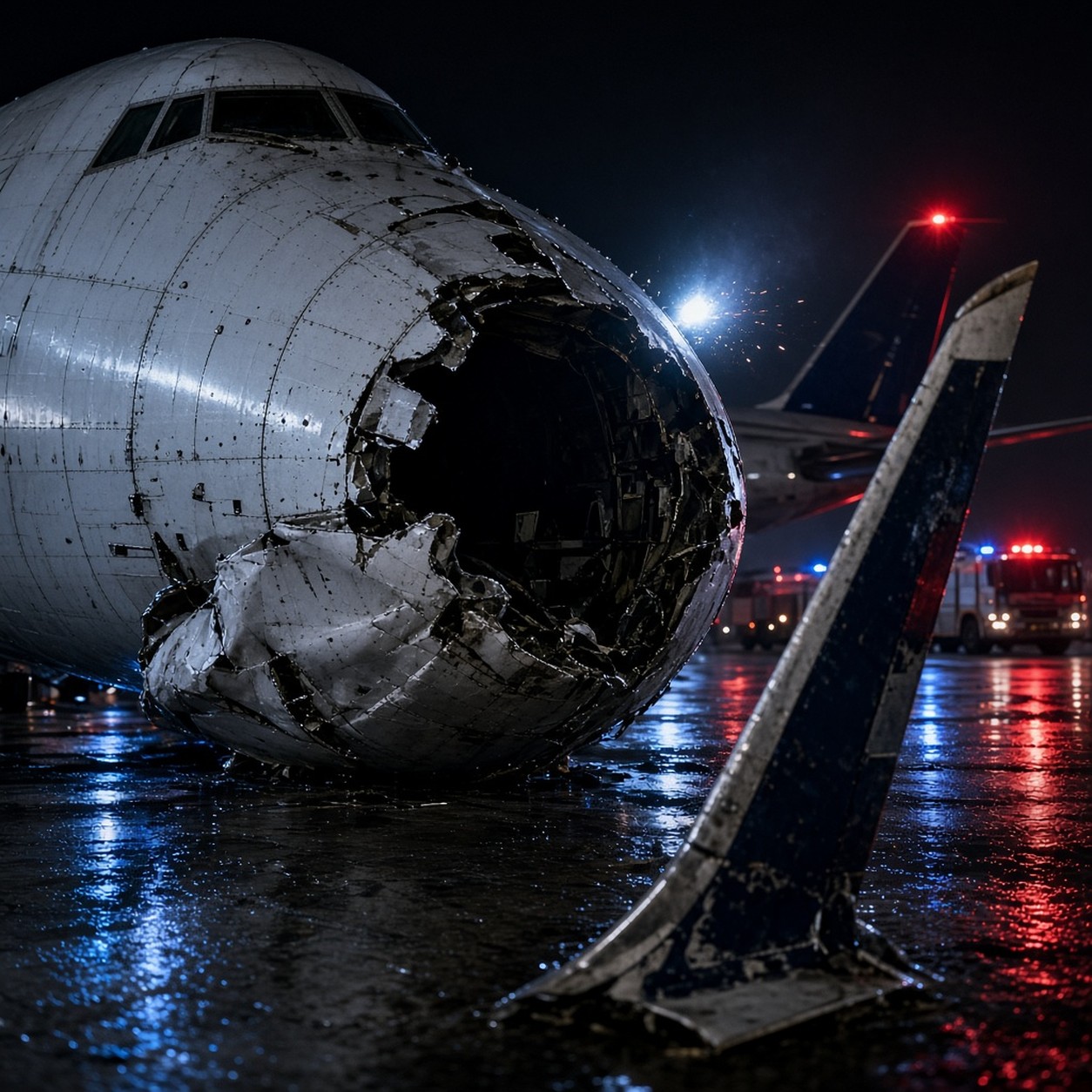
The left wingtip of the 737 slammed into the nose of the 767. Photos published by news outlets afterward showed the freighter’s nose crumpled, with a gaping hole torn in its panels, according to CNN.
Inside the Copa cabin, fear arrived before understanding. “We had already landed. Everything was calm when a woman next to me started screaming that we were going to crash,” passenger Jesús Salon told CBS News Miami in Spanish. Another traveler said the people by the window felt it worst: “We were sitting next to the wing where the collision happened.”
On the radio, the Copa pilot kept it to three words. “427, somebody hit us.”
The Instruction That Was Already on the Tape
Air traffic control audio, published by aviation sites and quoted by CNN, CBS and others, captured what came next. And the controller’s first response made clear this was not a mystery.
“427, roger,” the controller answered. “UPS, you’re supposed to give way to the 73 there.”
That is the heart of it. According to the Federal Aviation Administration, controllers had instructed the UPS crew to give way to the Copa flight — to hold and let the passenger jet pass before continuing to the runway. The National Transportation Safety Board’s preliminary information indicates the UPS aircraft did not stop, according to Live and Let’s Fly.
The UPS crew’s first reply hinted at how busy that cockpit was. “Roger, we running checklist, runway change,” a pilot said, according to the audio.
Then the controller asked the question everyone on that frequency was thinking. “UPS 358, did you hit that aircraft?”
The answer was startlingly candid. “Yeah, we went too far, and then he clipped us with the wing.”
“It Seems That We Are Missing the Left Wingtip”
Moments later, the Copa captain radioed in a damage report that sounded almost calm. “It seems that we are missing the left wingtip,” the pilot said, CNN reported. Fire trucks rolled toward the two jets as the controller told the Copa crew to hold position.
For the passengers, the wait felt long. Ferreira said some people “started freaking out” at first, but the Copa crew moved quickly to keep everyone in their seats. After about 10 minutes, he said, the captain came on to announce there was no imminent danger and that a tug would be brought in to move the plane. An announcement heard over the public address system, according to CBS News Miami, told the cabin: “Danger has been ruled out. There is no immediate danger.”
Two passengers were checked by Miami-Dade Fire Rescue for apparent minor injuries. Neither needed a trip to the hospital, airport communications director Greg Chin said. One passenger told CBS News Miami his wife had hurt her spine; the station said it could not independently confirm that injury. Everyone eventually got off the plane at the terminal.
“The safety of our passengers and crew is our top priority, and we will cooperate with authorities as they investigate the incident,” Copa Airlines said, adding that it “regrets the disruption this incident may cause our passengers.” UPS said its crew was safe and that it was “committed to working with authorities to determine what happened.”
The Worst Possible Weekend for It
The timing could hardly have been worse. Just one day earlier, on Friday, the FAA had halted departures nationwide for about four hours after communication problems hit multiple air traffic control centers. The Trump administration said the outage came from botched routine maintenance meant to move telecommunication lines from old copper wire to fiber optic cables, according to The Guardian. Transportation Secretary Sean Duffy blamed a lack of funding from Congress; critics argued the White House had not spent money it already had for upgrades.
The ripple effects were still crashing through South Florida when the two jets met. Some stranded passengers had slept on terminal floors waiting to be rebooked, CNN reported. By Sunday evening, cancellations at Miami International and Fort Lauderdale-Hollywood International were each above 100, according to FlightAware data cited by WSVN. “Now we got to drive 17 hours to get home,” one traveler at MIA told the station. “Tired. Aggravated. Angry. Disappointed.”
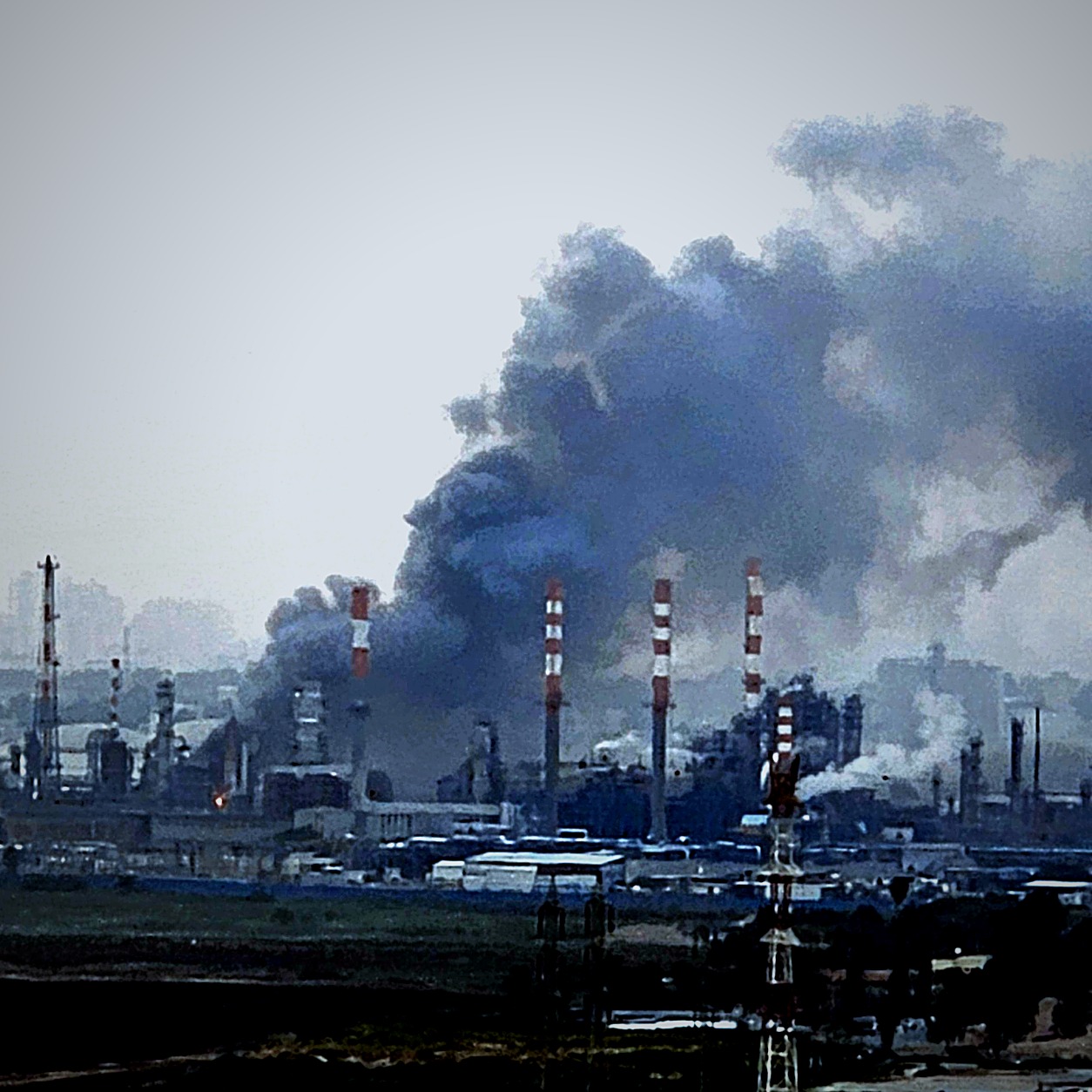
And for Miami, the collision reopened a fresh wound. On Sept. 6, an Amazon Air cargo plane careened off a runway at the same airport, striking several vehicles and catching fire under a thick black plume of smoke. Five people were killed and five others were injured, CNN noted.
What Investigators Want to Know Now
This time, nobody died, and airport operations kept moving; flights were simply steered onto other taxiways, Chin said. But the NTSB has opened its own investigation, and its early look already found “substantial damage” to the UPS plane, according to CNN. The assessment of the Copa jet had not been finished when the agency gave its first update on Sunday.
Investigators will dig into the taxi instructions, the positions of the two aircraft and what was happening in the UPS cockpit in the moments before the 767 rolled past where it was told to wait. Aviation writer Matthew Klint of Live and Let’s Fly pointed to the pilot’s mention of a checklist and a runway change, suggesting it “certainly seems” worth examining — while cautioning that “there may be considerably more context that we do not yet know.”
For now, the clearest account of the crash is still the one the pilots gave themselves, live on an open frequency, seconds after the jolt. One crew said somebody hit them. The other said, simply, that they went too far.
Have you ever been on a flight when something went wrong on the ground? Share your thoughts below.
Marta Visser
Consumer editor
Marta has covered retail pricing and consumer rights for nine years and runs our basket-tracking tests.
One email a week. Every deal, checked.
No spam, no filler. Just the prices, recalls and stories that affect your week.