Hundreds of Thousands of Bose Speaker Batteries Are Recalled — And the Danger Starts With One Number
Lithium-ion packs for the S1 Pro and S1 Pro+ can overheat and catch fire. Seven melting, smoke or fire reports are already on file — and the check that matters is a 17-digit serial on the bottom of the pack.
7 November 2026 · 5 min read
By Marta Visser
The playlist is loud enough that nobody hears the first crackle.
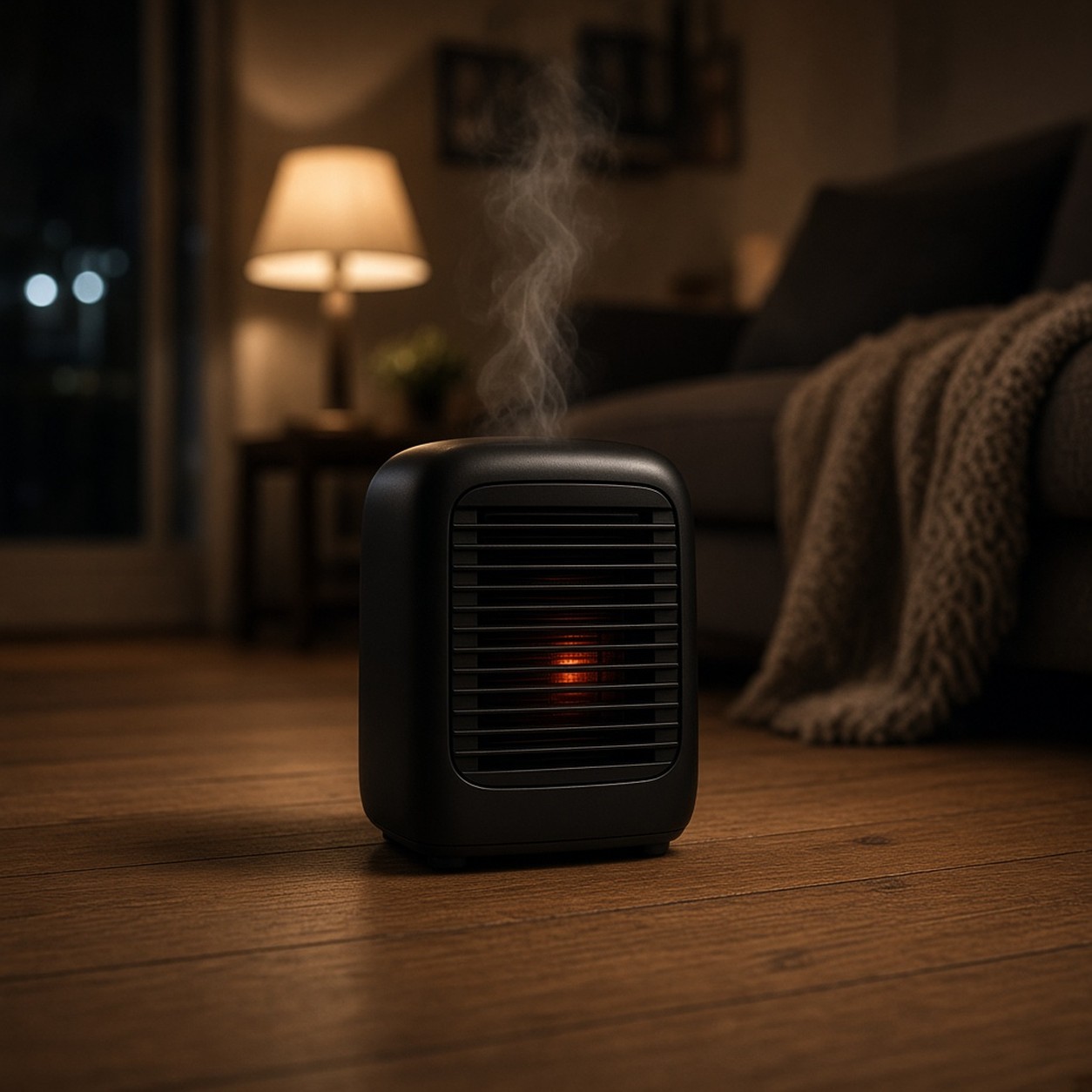
Then the smell hits — hot plastic, sharp and wrong, cutting through the backyard beer and the bass line. Someone looks down at the Bose speaker that has been running the night, and the battery pack at the base is smoking. In the worst of the reports, it melts. In a few, it catches fire.
That is not a movie beat. It is the hazard now sitting inside a federal recall covering about 634,759 lithium-ion battery packs sold in the United States for Bose’s S1 Pro and S1 Pro+ portable Bluetooth speakers — plus roughly 35,400 more in Canada. The packs can overheat and ignite. Six of the seven incident reports already include property damage. No injuries have been reported. The company is offering free replacements. The catch for owners is that the danger does not announce itself with a model name on the speaker. It hides in six digits printed under the pack.
The Party Speaker That Never Left the Gig Bag
Bose’s S1 Pro and S1 Pro+ systems are the kind of portable PA people haul to backyard parties, small venues, busking corners and living-room karaoke nights. They run on AC near an outlet. They also run on a rechargeable lithium-ion battery pack when you are not — which is half the point of owning one.
Those packs were sold with the speakers and sold separately as accessories or replacements. According to the U.S. Consumer Product Safety Commission, individual packs went for $100 to $160. Speaker systems that included the packs sold for $700. The sales window was long: December 2017 through July 2026, at Bose and Best Buy stores, other retailers, and online at Amazon.com, Bose.com, BestBuy.com, Walmart.com and elsewhere.
That is nearly nine years of packs moving into gig bags, basements and living rooms. Plenty of owners have used the same battery for years without smoke or sparks. The CPSC’s warning does not ask them to guess which pack will be next. It asks them to check the number.
Seven Reports, Six Damaged Spaces, Zero Injuries — So Far
On November 5, 2026, the CPSC posted recall number 27-065. The hazard language is blunt: the recalled lithium-ion battery packs can overheat and ignite, posing a risk of injury from fire and overheating.
The firm has received seven reports of packs melting, producing smoke or catching fire. Six of those reports include property damage. No injuries have been reported.
Bose says on its recall page that it is voluntarily recalling certain S1 Pro and S1 Pro+ system battery packs, and that the packs can overheat and ignite. The company is running the recall in cooperation with the CPSC. The importer is Bose Corporation of Framingham, Massachusetts. The packs were made in China.
Seven is not a flood of complaints. It is enough, when the failure mode is fire, to pull hundreds of thousands of packs off the safe-to-use list until they are swapped.
The Number Printed Under the Pack
Here is the reveal owners actually need.
The recall covers Bose S1 Pro System Battery Packs and S1 Pro+ System Battery Packs used with the S1 Pro and S1 Pro+ portable Bluetooth speaker systems. Not every pack ever sold is on the list. The ones that are share a fingerprint: the first six digits of a 17-digit serial number printed on a label at the bottom of the battery pack.
Affected packs begin with any of these prefixes:
- 083723
- 078352
- 084105
- 078591
- 078592
- 084106
- 086409
Bose’s instructions walk owners through the check. Power the system off and unplug it. On the bottom of the speaker, loosen the two screws and remove the bottom plate. Pull the battery pack out using the tabs. On the pack’s label, find the 17-digit serial under the barcode. Match the first six digits against the list above.
If the serial does not begin with one of those sequences, Bose says the pack is not included in the recall and is safe to keep using. If it does match, the next moves are immediate.
What to do if your pack is recalled
- Remove the battery pack from the speaker right away and stop using the pack
- Register the pack’s serial number at http://www.bose.com/support/s1-battery-recall for a free replacement
- Speakers may still be used on AC power once the pack is out
- Call Bose toll-free at 800-278-1083, 9 a.m. to 9 p.m. ET Monday through Friday and 9 a.m. to 7 p.m. ET Saturday, or go to bose.com and select “Product Recalls”
About 634,759 packs are covered in the United States. About 35,400 more were sold in Canada. That is the scale behind the six digits.
Do Not Toss It in the Trash
Here is the second turn — the part that trips people who think a recall ends when the old part leaves the house.
Once the pack is out, the speakers are not dead. The CPSC and Bose both say owners may keep using the S1 Pro and S1 Pro+ on AC power with the battery removed. The music can keep going. The fire risk, for that unit, is supposed to leave with the pack.
Getting rid of the pack is where ordinary habits become dangerous. Recalled lithium-ion batteries must not go in the household trash. They must not go in curbside or street-level recycling bins. They must not go in the used-battery collection boxes at retail and home-improvement stores. Those routes are for ordinary batteries. A recalled lithium-ion pack that can overheat and ignite is treated as a greater fire risk, and the CPSC says it has to be handled differently.
The agency’s guidance is to contact a municipal household hazardous waste — HHW — collection center first and ask whether it accepts recalled lithium-ion batteries. If it does, that is the disposal path. If it does not, contact the municipality for further instructions. Bose’s recall page repeats the same warning: no trash, no general recycling, no store battery boxes.
That detail is easy to miss in a rush to “just get rid of it.” It is also the detail that keeps a recalled pack from becoming someone else’s fire in a garbage truck or a recycling facility.
Six Digits Between the Bass and the Smoke
Somewhere tonight, an S1 Pro is still running a playlist on battery power — in a backyard, on a porch, in a rehearsal room where nobody has opened the bottom plate in years. Most of those packs will never melt. Most will never smoke. The seven reports already on file are why “most” is not the standard regulators use when lithium-ion cells can ignite.
The check takes a screwdriver, a minute, and a look at six digits. If the number matches, the pack comes out, the speaker stays on the wall outlet, the free replacement gets registered, and the old battery goes to hazardous-waste handling — not the trash.
The playlist can wait for a plug. The smoke does not give a warning track.
Marta Visser
Consumer editor
Marta has covered retail pricing and consumer rights for nine years and runs our basket-tracking tests.
One email a week. Every deal, checked.
No spam, no filler. Just the prices, recalls and stories that affect your week.