One Survey Says Your Thanksgiving Turkey Costs 10% More — Another Says It Got Cheaper, and Both Could Be Right
Farm Bureau shoppers say the bird is behind the first Thanksgiving price jump in four years. A major bank’s checkout data says turkey got cheaper. The reason they disagree could save you money before Thursday.
23 November 2026 · 5 min read
Wendy Davis was shopping for a feast at Philadelphia’s Italian Market: roast beef, turkey, turkey ham, spareribs, fried chicken. One purchase had already stung. “I got a case of sweet potatoes for $32,” she told NPR. “It’s high. So, yeah, prices are higher.”
Andre Andrews, a retired Philadelphian, plans to smoke a turkey and a roast this Thursday. He couldn’t recall exactly what he paid for them, but he didn’t need a receipt to know. “I can tell you this: I know it was more than it was last year,” he said.
Put the same question to the experts and the answer gets strange. Two of the most widely quoted Thanksgiving price checks in America landed this month, and on the one item sitting in the middle of the table, they point in opposite directions.
The Bird That Broke a Three-Year Streak
The American Farm Bureau Federation has priced the same holiday menu every year since 1986. Its 41st survey puts a classic dinner for 10 at $58.63, about $5.86 a person. That is more than 6% above last year, ending three straight years of declines, and the first overall increase since the record $64.05 of 2022.
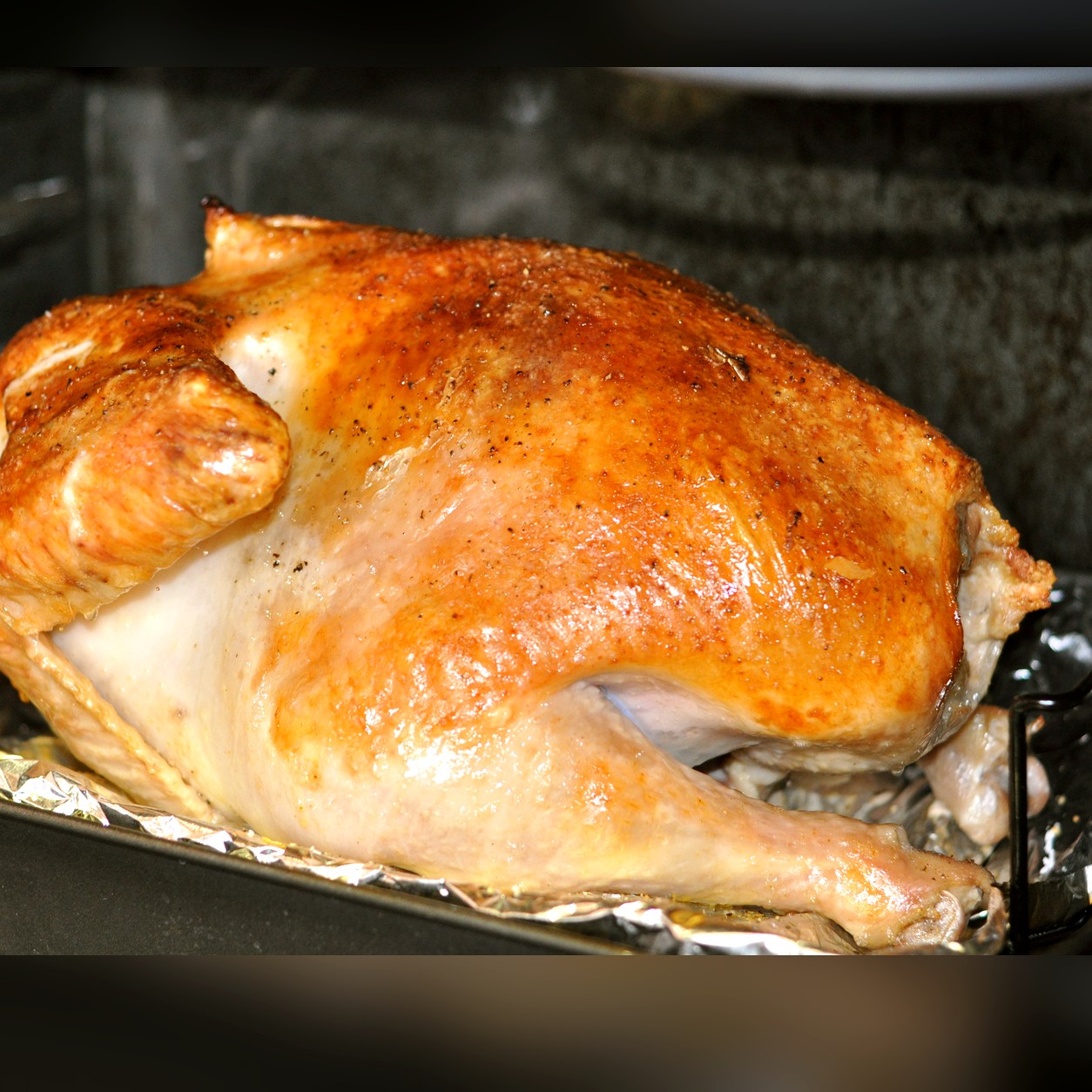
The biggest mover was the centerpiece. A 16-pound frozen turkey averaged $23.68, or $1.48 a pound, up 10% from a year ago. Cranberries rose 8.8%, whole milk 8.6% and dinner rolls 7%.
“The overall increase in our annual survey reflects the rising costs of getting food from the farm to your dinner table,” said Faith Parum, the federation’s deputy chief economist. “High diesel prices and a shortage of farm labor have taken a toll on the farm level of the food supply chain.”
Geography matters, too. The same meal averaged $61.57 in the Northeast and $54.33 in the South. Add ham, potatoes and green beans and the national bill climbs to $81.72.
A Bank Ran the Numbers and Got the Opposite Answer
Then came the Wells Fargo Agri-Food Institute. Its report says the food on a Thanksgiving table for 10 will cost $78.93 this year, down 0.4%. Six of its 10 food items got cheaper, and turkey was one of them, slipping 0.5%. Cranberries, which the Farm Bureau says jumped almost 9%, fell 6.6% in the bank’s data.
Michael Swanson, Wells Fargo’s chief agricultural economist, knows that sounds hard to believe. “It’s hard to convince people,” he told USA Today, “because when they go in (to the store), they’re certainly going to throw more things into their shopping cart than just the menu, and they’re not going to hit that register with this price point.”
So which is it? Is the bird 10% more expensive, or a little cheaper?
Why Both Numbers Can Be True
The answer lies in how, and when, each group went shopping.
Farm Bureau volunteers checked prices in stores and on grocery apps during the first week of November, in all 50 states and Puerto Rico, and deliberately skipped special coupons and combo deals. Wells Fargo used NielsenIQ checkout data from the 52 weeks ending Sept. 19 — a year of real receipts, sales and promotions included.
And turkey is the item grocers are happiest to give away. Swanson told USA Today the bird is often a loss leader, something stores will sell at a loss to get shoppers through the door to buy everything else. A shelf-price snapshot taken weeks before the holiday can miss that. The Farm Bureau’s own economists note that stores often feature whole turkeys at even lower prices in the days before Thanksgiving, and USDA data showed the average advertised price of frozen birds dipped in the second week of November, after the survey was done.
Some of its volunteers had already found turkey for as low as 69 cents a pound, nearly half the national average.
The pressure behind the price tag is real. USDA forecasts wholesale prices for frozen whole hens will average $1.76 a pound this year, up 30% from 2025 and nearly 88% above 2024, after bird flu and a respiratory disease called avian metapneumovirus thinned the nation’s flocks. But as a Farm Bureau economist wrote this month, store turkey prices are shaped by retailer promotions, especially at Thanksgiving, so those wholesale jumps don’t always show up at the checkout.
The holiday deals prove the point. Walmart is selling a meal basket for 10 for $35, which it calls its lowest-priced ever, down from $39.93 last year. Aldi cut its holiday meal by $1 and upgraded to a 16-pound turkey, and an Axios reporter in Chicago cooked Aldi’s spread for 10 for $37.38.
The Guest Who Might Skip Seconds
The Wells Fargo report holds another surprise, and it has nothing to do with price tags. About one in eight American adults say they are taking a GLP-1 drug, which makes it more likely than not that someone at a table of 10 is on one. Research cited by the bank found households cut grocery spending 5.3% within six months of starting the drugs, with the steepest drops in snacks, sweet baked goods and bread — the rolls, stuffing and pie end of the meal.
“Unless people really step back on what they’re buying, they might end up with a little bit of extra leftovers in the refrigerator,” Swanson said.
Fewer people may be hosting at all. A LendingTree survey cited by NPR found 51% of Americans expect to have company over this year, down from 59% last year, and 53% said inflation was affecting their holiday plans.
How to Land the Cheaper Version of Thanksgiving
On one point the two reports agree: what you pay depends on where and when you shop. Watch your store’s weekly ad for the turkey feature price instead of paying regular shelf price, and compare the fixed-price bundles at Walmart and Aldi against your own list. Feeding a crowd? Wells Fargo found a 58-ounce pumpkin pie works out to about 11 cents an ounce, versus 26 cents for a 22-ounce pie. Then guard the cart. The real danger, Swanson told NPR, is landing the turkey at a great price and then throwing “a bunch of stuff in the cart you didn’t look at that carefully.”
Little of the extra money reaches the people who raised the birds. USDA estimates that less than 6 cents of every food dollar goes back to the farm.
Which leaves Andrews, and millions of cooks like him, with the most honest answer of the season: the turkey may be cheaper, the turkey may be pricier, and the receipt will still feel like more than last year.
Marta Visser
Consumer editor
Marta has covered retail pricing and consumer rights for nine years and runs our basket-tracking tests.
One email a week. Every deal, checked.
No spam, no filler. Just the prices, recalls and stories that affect your week.