3.6 Million Ladders Sold at Lowe’s and Costco Have Been Recalled — And the Danger Starts the Moment You Think They’re Locked
Owners reported skull fractures and brain injuries after their ladders suddenly retracted beneath them. The fix now in the mail isn’t what most people would expect from a recall.
5 November 2026 · 5 min read
It is the kind of ladder people buy once and keep for years. It folds, it adjusts, it works in more than one position. You pick the height you want, set the locks on each leg into the rungs, and climb.
That last step is now the subject of a federal recall covering more than 3.6 million ladders.
On Thursday, the U.S. Consumer Product Safety Commission announced that some of the most popular adjustable ladders in America can suddenly retract while someone is using them. Not tip. Not slip on a wet floor. Retract — the ladder suddenly shortening underneath whoever is standing on it.
The reports that came in describe exactly how bad that can go. And the fix now being mailed to owners is probably not what you would picture when you hear the word “recall.”
The Moment the Ladder Gives Way
According to the CPSC, the company behind the ladders has received 25 reports of them retracting. Nineteen of those came with injuries.
Sixteen involved what the agency lists as joint or bone fractures, lacerations and bruising. The other three were head injuries, and the commission’s list of what they included reads like an emergency-room chart: traumatic brain injury, skull fracture, concussion, vision loss, hearing loss and cognitive impairment.
The company has also received 39 separate reports of the locks themselves not working properly.
Those numbers can look small next to millions of ladders. But the injuries on that list are the kind that can change a life, and the CPSC describes the hazard in a single plain sentence. The ladders “can suddenly retract if the Rapid Locks are not fully engaged, posing a fall hazard to consumers.”
The Name on the Side of the Ladder
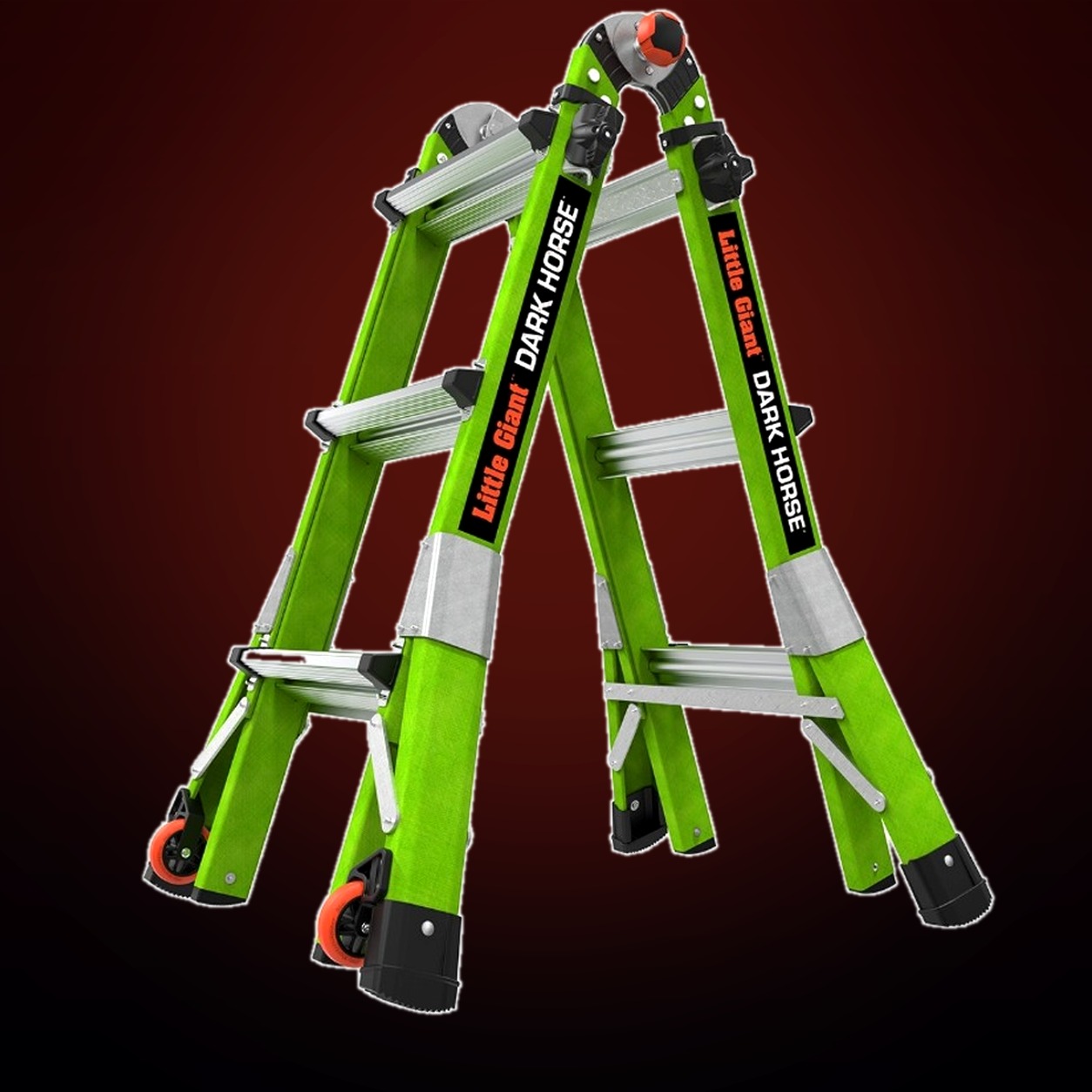
The ladders are made by Little Giant Ladder Systems of Springville, Utah. The recall covers about 3,662,000 Little Giant ladders fitted with the company’s Rapid Locks, the black or orange locks on each ladder leg that insert into the rungs to set the ladder’s height.
Eleven models are included, from the bright green Dark Horse 2.0 and Conquest 2.0 to the silver MegaLite and Vector.
They were not a niche product. The CPSC says they were sold at Lowe’s, Costco and other stores nationwide, and online at Lowes.com, Amazon.com, Costco.com, LittleGiantLadders.com and other sites, for about $100 to $1,000 each. The sales window runs from December 2015 through October 2026 — almost 11 years of ladders now sitting in garages, sheds, work vans and hallway closets.
Little Giant says the problem is rare. “We recently identified a very small number of instances out of the more than 3.6 million rapid lock ladders sold since 2015 in which the locks had not been properly engaged before use,” the company told USA Today on Thursday. “Out of an abundance of caution, we initiated a voluntary recall of the affected ladders in coordination with the CPSC.”
Is Your Ladder on the List?
The recalled models (the brand name and model name are printed on the side of the ladder):
- Adjustable Fortress 2.0
- Conquest 2.0
- Dark Horse 2.0
- Epic
- King Kombo XT
- Leveler
- MegaLite
- MegaLite+
- Multi
- Quantum
- Vector
How to tell if yours is included:
- Look for black or orange Rapid Locks on each ladder leg.
- Check the rail just above the Rapid Locks. Ladders that have an orange rectangular “QC” sticker there are not part of the recall. Ladders without it are.
What to do:
- Stop using the ladder immediately.
- Review the recall information at www.littlegiantladders.com/pages/recalls, or scan the QR code on the ladder.
- Contact Little Giant for a free repair kit with warning labels and instructions, and stick the labels on the ladder as directed.
- Call Little Giant toll-free at (866) 201-9069, Monday through Friday, or go to littlegiantladders.com and click RECALLS at the top of the home page.
The ‘Fix’ Is a Sticker and a Squirt of Lubricant
Here is the twist. The ladders are not being collected, and there is no new lock in the box.
The repair kit is a set of warning labels and instructions. Under the recall, those labels tell owners to check that their Rapid Locks are properly engaged before every single use, and to keep the locks maintained with lubrication. According to the company’s recall site, the CPSC asked Little Giant to add the label telling users to visually confirm that all the locks are fully engaged before climbing. Once the label is on and the instructions are followed, owners can go back to using the ladder.
The site also says Little Giant has already mailed label kits to all known owners of the affected ladders. Anyone who has not received one can request it there.
A replacement or a refund is possible, but only further down the line. If you follow the instructions and a lock still does not work properly after it has been lubricated, you are told to contact Little Giant for an evaluation. Only if the lock still fails after that evaluation does the company offer a choice: a replacement ladder of the same or an equivalent model, or a refund.
Even the refund has conditions. It ranges from a depreciated value based on when you bought the ladder up to the full purchase price — and the full price applies to ladders bought within the past 12 months. For a ladder that has spent eight years in the garage, the check may be well short of what you paid.
Before the Next Climb
The ladders were made in the United States, China, Mexico and Malaysia, and they have been on shelves since late 2015. Chances are good that someone you know owns one, or borrowed one, or is planning to haul one out for gutters and holiday lights in the weeks ahead.
The recall itself comes down to one small, easy-to-skip moment: the second after you set the height, when the locks look like they have clicked into place.
Little Giant’s new label asks every owner to stop right there and check.
Marta Visser
Consumer editor
Marta has covered retail pricing and consumer rights for nine years and runs our basket-tracking tests.
One email a week. Every deal, checked.
No spam, no filler. Just the prices, recalls and stories that affect your week.