Trump Says Three Major News Outlets Are Being Banned From the White House — And More Could Follow
President Donald Trump has announced that three major American news organizations are being banned from the White House, setting up a confrontation over who can report directly on the president.
19 September 2026 · 6 min read
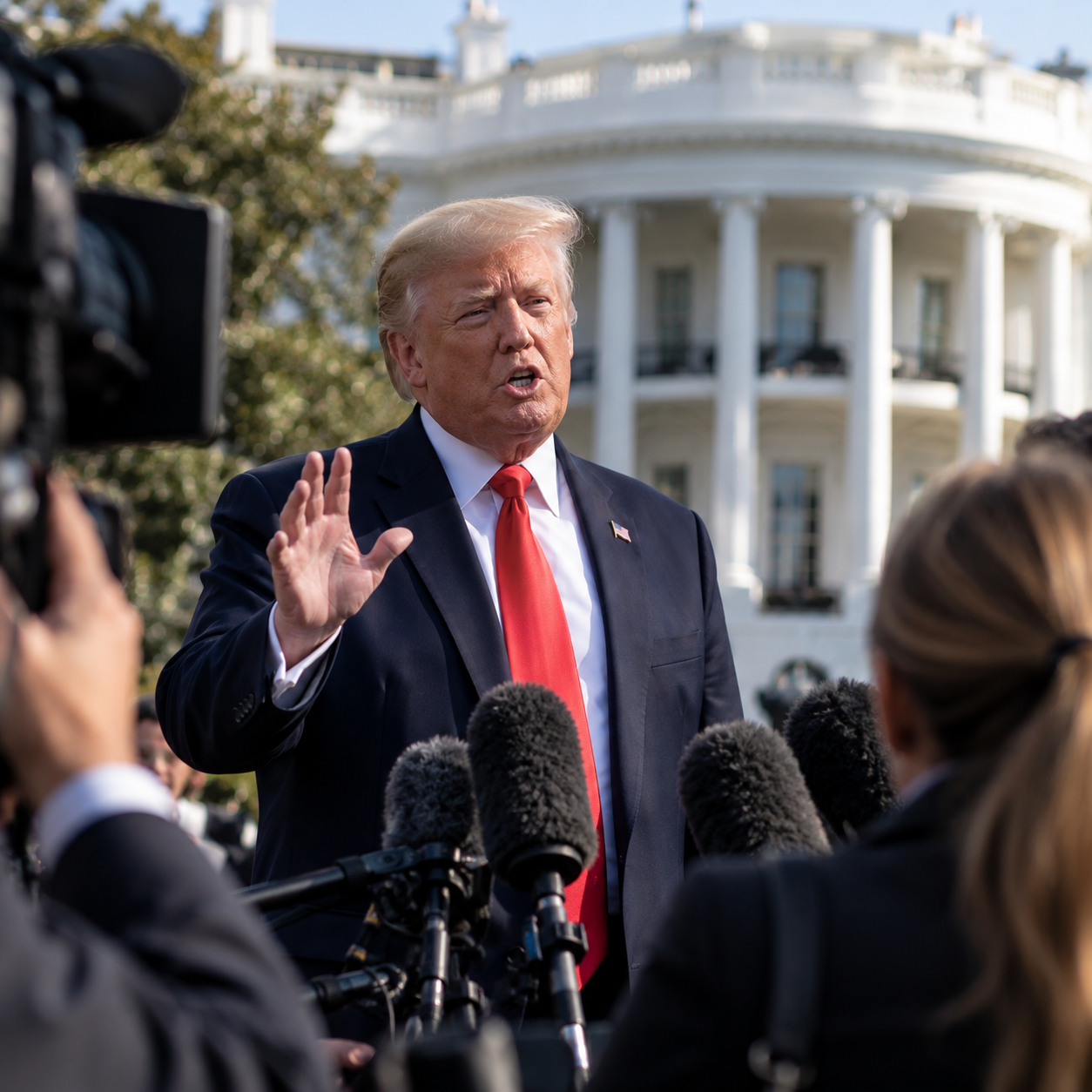
The announcement came Friday, September 18, when Trump accused several prominent media outlets of repeatedly publishing false information about his administration.
But the story doesn't end with the three organizations he initially named.
When reporters asked whether more news outlets could face similar restrictions, Trump identified two of the country's most recognizable newspapers.
And the announcement has already raised questions about whether the White House can legally prevent journalists from covering the president because of their reporting.
- Reuters
- +1
Three major news organizations are at the center of the announcement
The outlets Trump named were CNN, MS NOW, formerly known as MSNBC, and Politico.
In a post on his Truth Social platform, Trump announced that he was banning all three from the White House, effective immediately.
He accused them of publishing what he called fake news and said the decision resulted from their coverage of his administration over time.
Trump did not identify a particular article or broadcast as the reason for the announcement.
- Reuters
- +1
The three organizations have extensive experience covering the federal government and employ journalists who regularly report on White House developments.
CNN and MS NOW are television news organizations, while Politico specializes in reporting on government, elections and public policy.
The announcement therefore potentially affects several different forms of news coverage, from live television reporting to written investigations and political analysis.
Then Trump suggested two more outlets could face restrictions
The initial announcement included a warning that additional news organizations could face similar treatment.
Later Friday, reporters asked Trump which outlets he had in mind.
He mentioned The New York Times and The Washington Post, criticizing their coverage and describing them as examples of what he considered unreliable reporting.
However, Trump did not formally announce that either newspaper had been banned.
He instead suggested that the White House might stop displaying copies of the newspapers inside the building.
- Al Jazeera
- +1
That distinction matters: the restrictions announced Friday specifically named CNN, MS NOW and Politico.
Whether additional organizations will face similar measures remains uncertain.
What prompted the announcement?
Trump has frequently criticized news organizations that publish unfavorable coverage of his administration.
Asked why he was taking action against the three outlets now, he described his frustration as the result of accumulated reporting over several years.
He accused the organizations of deliberately publishing negative stories about his presidency and the Republican administration.
The president argued that news outlets should not be permitted to repeatedly publish information he considers false while covering the government.
- Al Jazeera
- +1
The named organizations dispute the characterization of their reporting.
CNN said it stands behind its White House journalists and their reporting. Politico also rejected the suggestion that the administration should be able to restrict its coverage on that basis.
The central disagreement is therefore not only about the accuracy of particular news stories.
It also concerns whether a president can restrict a news organization's access because of its editorial coverage.
What does being banned from the White House actually mean?
The announcement immediately raised a practical question: what access would the three outlets actually lose?
White House reporters normally cover presidential remarks, news briefings, official events and other activities taking place within the complex.
Some events are accessible to a wider group of credentialed journalists, while others are limited to a smaller press pool.
Restrictions on that access could prevent particular organizations from attending certain events or reporting directly from designated White House locations.
However, the White House had not publicly detailed exactly how the newly announced ban would operate.
According to the Los Angeles Times, CNN correspondent Kristen Holmes continued reporting from White House grounds after Trump's announcement. MS NOW journalists also reportedly remained on the property later Friday.
Los Angeles Times
No journalist was reported to have been removed from the press room during the Oval Office event that followed the announcement.
As a result, the precise scope and practical implementation of the restrictions remained unclear as of September 19.
The news organizations are pushing back
CNN responded by defending its journalists and asserting that they have a constitutional right to report on the president without improper government interference.
The network indicated that it would challenge restrictions that prevent its reporters from carrying out their work.
Politico similarly said it intended to continue reporting on the White House and defend its First Amendment rights.
Press freedom organizations also objected to the announcement, arguing that the government should not determine which journalists receive access based on whether their reporting is favorable or critical.
- Al Jazeera
- +2
The White House's position is that the outlets have repeatedly published inaccurate information and should face consequences for doing so.
The organizations and press freedom advocates dispute both the president's characterization of their work and the proposed restrictions on access.
Those competing positions could become central to any legal challenge.
A similar dispute has reached federal court before
This is not the first time a disagreement between Trump and a news organization has raised questions about White House access.
In 2018, during Trump's first presidential term, the administration revoked CNN reporter Jim Acosta's White House press credential following a confrontation at a news conference.
CNN challenged the decision in federal court.
A judge subsequently ordered the administration to restore Acosta's credential while the legal dispute proceeded.
The ruling addressed procedural protections surrounding the suspension of his access.
- Los Angeles Times
- +1
A more recent dispute involved the Associated Press.
During Trump's second term, the administration restricted the AP's access to certain presidential events following a disagreement over the news organization's decision to continue using the name Gulf of Mexico.
A federal judge ordered the restoration of access, but an appeals court later paused parts of that ruling relating to restricted presidential spaces while the case continued.
Los Angeles Times
Those cases illustrate why Friday's announcement could result in another legal dispute.
They do not, however, automatically establish how a court would rule on the newly announced restrictions.
Why the First Amendment matters
The First Amendment protects freedom of speech and freedom of the press in the United States.
Journalists and news organizations rely on those protections when investigating government actions, publishing criticism and reporting information that officials may dispute.
But the constitutional questions surrounding White House access are more specific than whether journalists have a general right to publish stories.
They involve the circumstances under which the government may grant, limit or revoke access to particular presidential events and locations.
Courts may need to consider whether restrictions are based on legitimate access requirements or on the viewpoint expressed in a news organization's reporting.
Press freedom advocates argue that excluding journalists because officials dislike their coverage violates constitutional protections.
The administration maintains that the organizations it named have repeatedly published false information.
- Reuters
- +1
The legality of the newly announced restrictions has not yet been conclusively determined.
What happens next?
For now, several important questions remain unanswered.
The White House has not fully explained how it intends to enforce the ban, which presidential events would be affected or whether the restrictions will extend beyond the three organizations initially named.
The affected news outlets have indicated that they intend to defend their ability to cover the administration.
Any formal legal challenge could bring the dispute before a federal judge, potentially requiring the White House to explain the basis and scope of its restrictions.
Meanwhile, journalists from CNN, MS NOW, Politico and other organizations can continue reporting on the administration using sources and reporting methods available outside restricted White House spaces.
The announcement does not prohibit the three organizations from publishing or broadcasting news about Trump.
Instead, it concerns their access to the White House itself.
With the president suggesting additional outlets could face restrictions, the dispute may continue to develop beyond Friday's initial announcement.
For Americans following the story, the next development to watch is whether the White House begins enforcing the restrictions and whether the affected organizations challenge them in court.
Marta Visser
Consumer editor
Marta has covered retail pricing and consumer rights for nine years and runs our basket-tracking tests.
One email a week. Every deal, checked.
No spam, no filler. Just the prices, recalls and stories that affect your week.